
Sony MDR-ZX110
4.5Editor score
Lightweight wired on-ear design
Swivel earcups for easy storage
Cushioned closed-back earpads
Discover the 10 best easy to use headphones, comparing comfort, wireless connectivity, battery life, sound quality, portability, controls, and everyday
Easy to use headphones should feel comfortable, connect without fuss, and provide dependable sound for music, calls, movies, games, and travel. The right pair fits your devices, suits your preferred listening style, and avoids unnecessary controls, complicated setup, or frequent charging interruptions.
We compared all ten products using the supplied specifications, focusing on comfort, connection options, battery performance, sound features, portability, microphone functions, and practical controls. The list covers wired, wireless, hybrid, on-ear, and over-ear designs for different routines and budgets.
Each review explains where a model stands out, identifies practical trade-offs, and identifies the listener most likely to benefit. Ratings and specifications reflect the provided product information, while prices and availability can change, so confirm the latest listing before purchasing.
Selecting a pair of headphones should not require a technical manual. A good model should fit comfortably, pair quickly, offer controls that make sense, and provide enough battery life for your routine. Wired headphones remain dependable when simplicity matters, while wireless and hybrid models add freedom for commuting, working, and traveling.
To compare the options fairly, we evaluated the features most relevant to everyday usability: physical comfort, sound characteristics, battery life, wireless stability, microphone quality, connection flexibility, storage, and device compatibility. We also considered how many listening modes or EQ settings each product offers and how easily those functions can be accessed.
The recommendations that follow show where the strongest choices differ. The Sony MDR-ZX110 is a simple wired option, the TOZO HT3 combines wireless convenience with active noise cancellation and extensive controls, and the Beats Solo 4 adds a polished portable design. The remaining models provide valuable alternatives for long playtime, studio-style use, and flexible connectivity.
4.5Editor score

4.6Editor score
4.6Editor score
The comparison highlights each model's connection style, core audio hardware, battery or cable design, and most useful everyday feature, making it easier to identify the right balance of simplicity, flexibility, and performance.




The Sony MDR-ZX110 is a straightforward wired on-ear headphone built around uncomplicated operation. Its 4.5 rating reflects a favorable balance of lightweight construction, a wide frequency response, cushioned earpads, and a portable swiveling earcup design. There is no app, battery, wireless pairing process, or active noise cancellation to manage, making it one of the most approachable options in the roundup.
We may earn a commission when you buy through this link, at no additional cost to you.
Its 1.38-inch neodymium dynamic drivers deliver a punchy, rhythmic presentation, while the supplied specifications indicate a frequency response from 12 Hz to 22 kHz. That range is intended to cover deep bass, a rich midrange, and soaring highs. The closed-back earcups help seal in sound, and the 24-ohm impedance makes the headphones suitable for a broad range of conventional audio sources without requiring sophisticated amplification.
Ease of use comes primarily from the 3.94-foot cord with an L-shaped 3.5mm stereo plug. Plug it into a compatible phone, laptop, tablet, or other source and begin listening. The compact size and swiveling earcups let the headphones fold for storage, which is useful for travel. The trade-off is complete dependence on a wired connection: there is no battery, Bluetooth, microphone, ANC, or app-based tuning.
This model makes the most sense for listeners who want dependable headphones without charging, pairing, or managing features. It is also a natural choice for children, shared spaces, travel days where a cable is acceptable, or anyone who prefers a straightforward 3.5mm connection. For uncomplicated daily music, podcasts, and video, the MDR-ZX110 is a strong budget-oriented recommendation.
The MDR-ZX110 removes the learning curve associated with wireless headsets. Connect the cable, adjust the headband, and choose a comfortable earcup position. The 3.5mm plug also makes the headphones suitable for many devices that lack Bluetooth, including some portable media players and audio equipment.
Cushioned earpads and a lightweight on-ear structure help limit the bulk often associated with larger headphones. The swiveling earcups fold inward for storage, while the closed-back design focuses sound toward the listener and supports a more involving personal listening experience.
We may earn a commission when you buy through this link, at no additional cost to you.
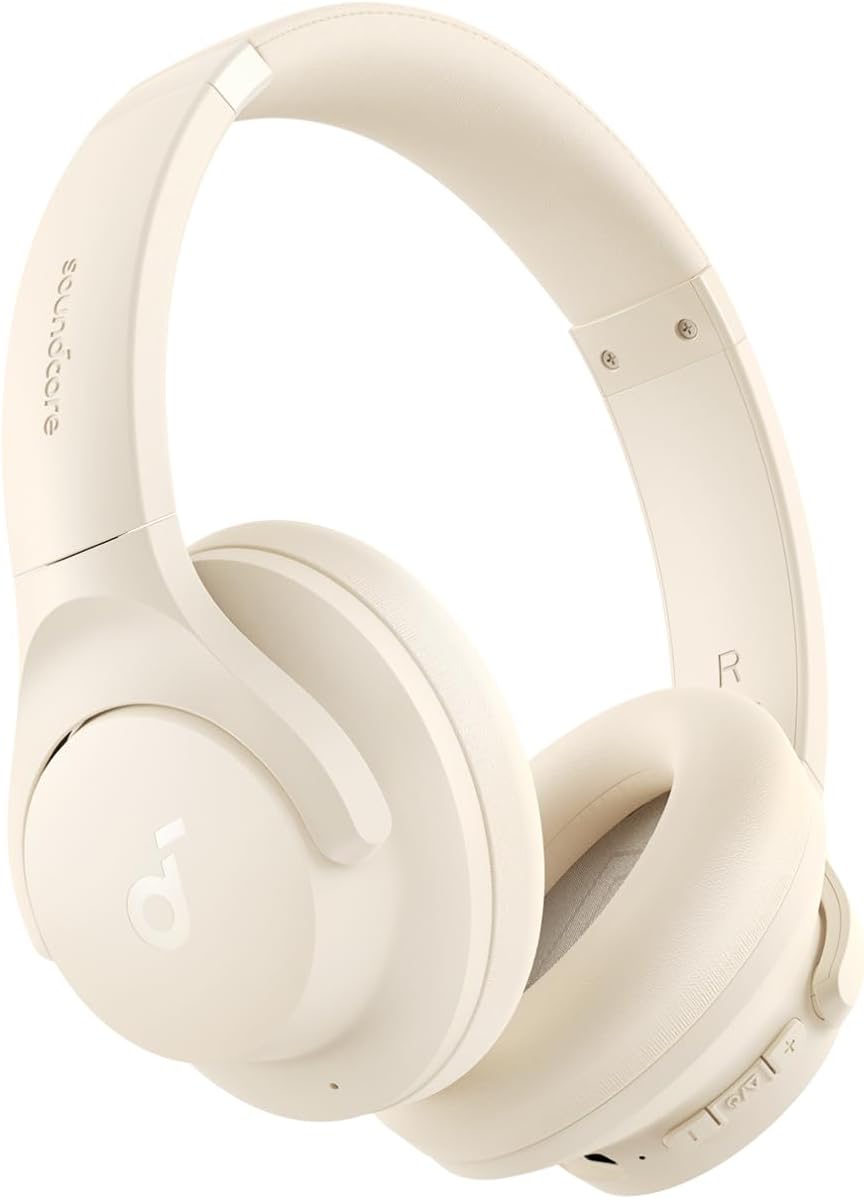
The Soundcore Q20i is designed for listeners who want easy everyday wireless use without giving up noise control, sound personalization, and broad battery life. Its 4.5 rating reflects a well-equipped hybrid headphone with four built-in microphones, active noise cancellation, transparency mode, BassUp technology, 40-hour battery life, and automatic switching between two connected devices.
We may earn a commission when you buy through this link, at no additional cost to you.
The companion app is central to the experience. It provides EQ presets, the ability to build custom EQ, ANC and transparency controls, white noise, HearID, Spatial Audio options, and firmware updates. That level of control is helpful for users who enjoy adjusting a headphone to different genres, while the normal listening mode should suit those who want a more hands-off experience.
Its battery specification is one of the strongest reasons to consider it for travel or work. A single charge can support up to 40 hours with ANC enabled, and five minutes of charging provides four additional hours. The included AUX cable also offers a wired option, although the product information specifically notes that active noise cancellation is not available in AUX-in mode.
The Q20i is a good fit for commuters, remote workers, and students who alternate between a laptop and phone. Automatic device switching reduces the need to manually reconnect, while transparency mode helps users hear announcements or colleagues. The main compromise is that the richest functions depend on the app, and listeners seeking truly one-button simplicity may prefer a more streamlined model.
Four microphones work together to filter background noise in wireless mode, making the Q20i useful on packed commutes, in offices, and around busy streets. Transparency mode blends outside sound into the music so listeners can remain aware without removing the headphones.
The soundcore app places EQ presets and custom settings within reach, while HearID and Spatial Audio add ways to shape the presentation. Users can move between ANC, Normal, and Transparency modes as their surroundings change rather than repeatedly reconnecting or replacing a headset.
We may earn a commission when you buy through this link, at no additional cost to you.
The KVIDIO 65H is a wireless over-ear headphone centered on generous playtime, a lightweight form, and simple device compatibility. Its 4.5 rating is supported by dual 40mm drivers, memory-protein foam cushions, Bluetooth 6.0, and an advertised 65-hour playback duration. The supplied package includes a 3.5mm cable, USB charging cable, and user manual.
We may earn a commission when you buy through this link, at no additional cost to you.
Pairing is described as straightforward: press the multifunction button for two seconds, then select the headphones on a compatible Bluetooth device. They can also work with devices that support a 3.5mm connection. The stated wireless range reaches 33 feet, while the 500mAh battery recharges in approximately 2.5 hours, reducing downtime between uses.
Comfort receives attention through soft memory-protein foam, an adjustable headband, and flexible earcups. At 0.44 pounds, the KVIDIO is designed to remain light enough for travel, workouts, and everyday use. Its folding construction also makes it easier to place in a bag. The trade-off is that it does not provide active noise cancellation or a sophisticated app, so noise reduction depends on the physical seal of the earcups.
Choose the KVIDIO 65H if wireless freedom and long intervals between charges matter more than advanced noise cancellation. It is well suited to students, home workers, and travelers who want comfortable headphones, a microphone for calls, and the reassurance of a wired backup connection.
The headline 65-hour playtime makes the KVIDIO appealing for long trips, study sessions, or households where finding a charging cable is inconvenient. The included wired option adds another layer of flexibility, although it still relies on the internal battery being powered on.
Adjustable construction, flexible earcups, and soft memory-protein foam are designed to distribute pressure across the head rather than pressing directly on the ears. The foldable, 0.44-pound design adds portability without turning the headphones into a bulky travel accessory.
We may earn a commission when you buy through this link, at no additional cost to you.
The BERIBES 65H combines wireless convenience with more sound-shape options than a basic headset. Its 4.5 rating reflects a 0.38-pound over-ear design, dual 40mm dynamic drivers, six EQ modes, Bluetooth 6.0, and an advertised 65-hour playing time. It is particularly useful for listeners who want to move between genres or work with two devices without constant reconnection.
We may earn a commission when you buy through this link, at no additional cost to you.
The six modes include balanced sound, extra bass, and midrange or treble enhancement, with additional choices intended for rock, jazz, rhythm and blues, and classical music. That makes the headphones appealing to users who enjoy experimenting but do not want to navigate a complex equalizer. A 500mAh battery provides up to 65 hours of playback, while standby time is listed at more than 950 hours.
Dual-device connectivity allows a phone and tablet to remain connected at once, so a call from one device can be taken while media plays on the other. The stated transmission range reaches 33 feet, and the Bluetooth 6.0 chip is described as pairing within one to three seconds after startup. A 3.5mm cable allows wired operation when the headphones are powered off.
The main compromise is the lack of active noise cancellation. Otherwise, BERIBES offers a persuasive easy-use package for students, home offices, and casual music listeners. Choose it when battery life, light weight, genre-oriented EQ modes, and simultaneous device connections matter more than isolating external noise.
BERIBES makes sound adjustment accessible without making users study a detailed frequency graph. Switching among balanced, bass-heavy, and enhanced modes is useful when rock, jazz, classical, or other styles need a different tonal balance.
The ability to hold connections to two smart devices supports a common multitasking pattern: listen to a movie on a tablet while remaining available for calls on a phone. This makes the headphones practical for hybrid workdays and shared entertainment.
We may earn a commission when you buy through this link, at no additional cost to you.
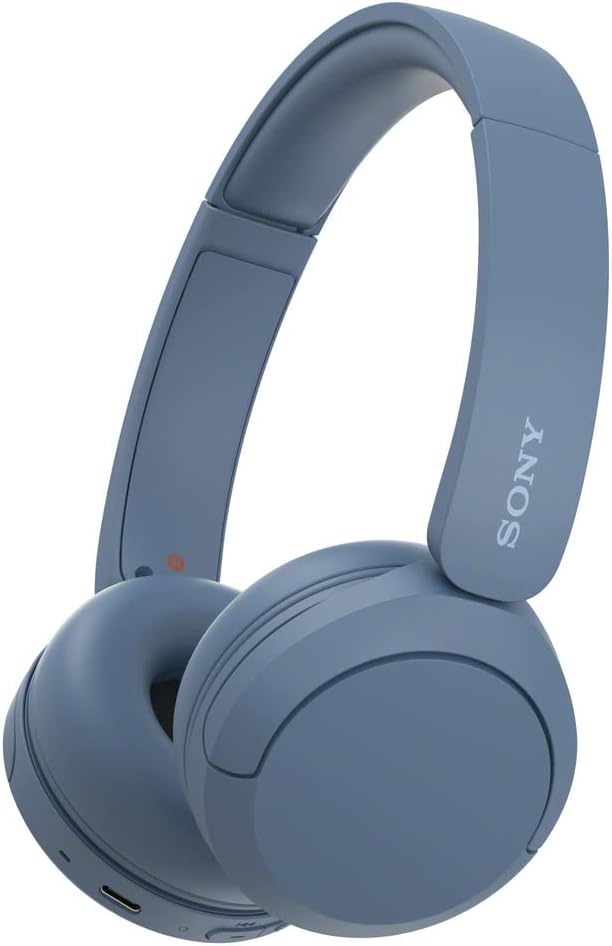
The Sony WH-CH520 offers a light, familiar on-ear design with modern wireless convenience. Its 4.4 rating reflects a strong package that includes up to 50 hours of battery life, multipoint connectivity, app-based EQ, a built-in microphone, fast pairing, and a 3.92-inch lightweight design. It suits listeners who want a recognizable Sony on-ear format with fewer charging interruptions.
We may earn a commission when you buy through this link, at no additional cost to you.
Multipoint is one of the most useful everyday functions. Users can keep the headphones connected to two devices and switch between them without the usual repeated pairing process. The included USB Type-C cable supports charging, while the Sony Headphones Connect app provides EQ customization. DSEE is also available to enhance the perceived quality of compressed music files.
The swiveling earcups and adjustable headband help with everyday handling, while the soft ear pads are intended to provide comfort over longer periods. Six color choices are listed, including the featured blue, making it easier to select a pair that suits personal preferences. The trade-off is that the model does not offer active noise cancellation, so it is less effective against persistent travel or office noise.
This is a sensible pick for students, commuters, and office workers who favor compact headphones and reliable multipoint switching. It is also convenient for Windows 10 users because Swift Pair simplifies the initial Bluetooth process. For listeners wanting ANC, a larger over-ear model may be a better fit, while those prioritizing compact wireless simplicity will appreciate the WH-CH520.
Multipoint helps the headphones follow a laptop-and-phone routine, and Swift Pair streamlines setup with compatible Windows 10 computers. These details reduce the common frustration of repeated Bluetooth menus and make the headset feel ready for daily use.
The lightweight build, swiveling earcups, adjustable headband, cushion, and soft pads make the WH-CH520 easier to wear and store. Its on-ear format also stays less bulky than many full over-ear alternatives, although listeners sensitive to on-ear pressure may want to compare fit options.
We may earn a commission when you buy through this link, at no additional cost to you.
The OneOdio Pro-10 is a wired over-ear headphone intended for music, DJ-style monitoring, instrument practice, and general home audio. Its 4.4 rating reflects large 50mm neodymium drivers, soft padded cushions, an adjustable headband, and 90-degree swiveling earcups. The single-sided monitoring feature gives it a clear purpose beyond ordinary music consumption.
We may earn a commission when you buy through this link, at no additional cost to you.
The 50mm drivers are specified to produce powerful bass, clear vocals, and crisp highs in a balanced stereo presentation. The stretchable, self-adjusting headband and padded earcups are intended to remain comfortable during extended sessions, while the rotating cups allow one earcup to move aside. That is useful for mixing, monitoring, or following along while playing an instrument.
Connection simplicity is one of the Pro-10's main strengths. It works with smartphones, laptops, tablets, desktop computers, audio interfaces, DJ mixers, amplifiers, and other devices with 3.5mm or 6.35mm audio jacks. A shared audio port allows another pair of headphones to be connected without a splitter. The trade-off is that it has no Bluetooth, battery, ANC, or wireless controls.
Buy the Pro-10 when you want a dependable wired headphone for home studios, DJ practice, keyboards, guitar, or amplified equipment. It is less suitable for commuting because the cable adds bulk and there is no active way to reduce environmental noise. For a fixed listening or practice space, however, its connection options and rotating design are unusually versatile.
The 90-degree swiveling earcups can be moved for single-ear monitoring, which is useful when mixing tracks or playing along with an instrument. The flexible headband is designed to settle into a comfortable angle without requiring constant adjustment.
Support for 3.5mm and 6.35mm connections opens the Pro-10 to consumer devices, mixers, amplifiers, and audio interfaces. The shared output also makes it possible for two listeners to hear the same source without buying an additional splitter.
We may earn a commission when you buy through this link, at no additional cost to you.
The TOZO HT3 is the most feature-complete model in this guide and a strong candidate for listeners who want one headset to cover music, commuting, work, movies, gaming, and calls. Its 4.6 rating is supported by adaptive active noise cancellation, 40mm dynamic drivers, up to 90 hours of playback, three connection modes, dual-device pairing, and app-based customization.
We may earn a commission when you buy through this link, at no additional cost to you.
Four high-sensitivity microphones support adaptive and hybrid noise cancellation, while a dedicated call microphone supports voice pickup in noisy surroundings. The headphone also offers transparency-style awareness through its noise-control system, 40mm drivers for bass, mids, and highs, and spatial audio for a more cinematic presentation. Gaming users can take advantage of the stated low-latency functionality.
Connection options make the HT3 adaptable to different setups. Bluetooth handles everyday wireless use, AUX supports devices with a 3.5mm jack, and USB-C provides another wired audio and charging path. A ten-minute charge supplies up to nine additional hours, while the 90-hour maximum makes the headset suitable for long travel or study sessions. The app adds 32 EQ modes and personalized sound controls.
The main concern is that users who want the simplest possible headphones may find the feature set excessive. Fortunately, the fundamental functions remain accessible through physical controls and familiar modes. The TOZO HT3 is a strong recommendation for mobile users who value flexibility, noise reduction, long battery life, and the freedom to switch between wireless and wired operation.
The four-microphone system is designed to detect and adjust to surrounding noise. ANC is suited to subways, aircraft, and cafés, while the transparency-oriented function helps listeners remain aware of announcements, traffic, or colleagues without removing the headset.
Bluetooth, AUX, and USB-C operation cover modern and older audio sources, while dual-device connectivity supports simultaneous phone and computer use. These options make the HT3 practical for a workday that moves between calls, meetings, music, and entertainment.
Breathable cushions are paired with a folding design for storage, and removable ear pads can be replaced as they wear. That maintainability is important for a headset intended for regular commuting, study, and work use.
We may earn a commission when you buy through this link, at no additional cost to you.
The LORELEI X6 is a portable wired headphone with a 40mm driver, inline microphone, media controls, and a 1.45-meter braided cable. Its 4.4 rating reflects a practical combination of clear, bass-focused sound, soft padding, a foldable structure, and broad compatibility with devices that use a 3.5mm audio jack.
We may earn a commission when you buy through this link, at no additional cost to you.
The braided cable is one of the product's most useful everyday details. Rather than using a thin conventional cord, the X6 includes a nylon-braided 1.45-meter lead designed to resist tangling and kinking. Inline controls let users answer calls and skip tracks forward or backward without reaching for a phone or computer, which is convenient during commutes and casual listening.
The earcups use soft cushions and a padded headband, while an adjustable slider helps establish a secure fit. Construction uses sturdy plastic, and the earcups fold for easier storage. The supplied 40mm driver is specified to produce clear sound with rich bass and crisp mids. These are practical attributes for workouts, home use, travel, and gaming, provided the source has a compatible connection.
Its limitations are the same ones shared by most wired headphones: no Bluetooth, no battery, and no ANC. Even so, the LORELEI X6 stands out for its durable, tangle-resistant cable and straightforward inline controls. It is a good match for listeners who prefer physical connections and want a foldable headset that travels easily between activities.
The nylon-braided 1.45-meter cord is better suited to repeated bagging, desk use, and travel than an exposed basic cable. Its reduced tendency to tangle and kink also makes the X6 practical for children, students, and anyone who frequently stores headphones without careful winding.
The inline microphone and track controls keep basic media actions close at hand. This is a simpler alternative to app controls and voice assistants, providing direct access to calls and playback functions along the cable.
We may earn a commission when you buy through this link, at no additional cost to you.
The Picun B8 is built for listeners who want to charge their wireless headphones infrequently. Its 4.6 rating, dual 40mm dynamic drivers, and advertised 120-hour playtime make it a notable option for travel, school, commuting, fitness, movies, and gaming. The large 1000mAh battery is the central feature, supported by a 3.5mm cable and touch controls.
We may earn a commission when you buy through this link, at no additional cost to you.
Sound can be adjusted among Pop, Bass Boost, and Rock modes using the EQ button. A special three-press power-button sequence activates low-latency mode, while the touch controls handle calls, voice-assistant functions, and rejection. Bluetooth 5.3 provides a stated transmission range of up to 33 feet and is designed for stable connections.
The PU leather earcups use elastic sponge padding, and the adjustable headband works with 60-degree rotating earcups. The headset also folds for storage. An important safety note in the product information recommends using only 5V/1A or 5V/2A power adapters, since fast or high-power chargers may cause abnormal heating or damage internal components.
Picun includes a one-year refund guarantee, two-year warranty, and lifelong user support, which adds reassurance to an extended-playtime purchase. The main compromises are a more limited EQ selection than some rivals and touch controls that can take practice. For anyone prioritizing battery life above advanced app features, the B8 is a highly practical wireless choice.
With more than 120 hours of advertised playback, the B8 is designed for weeks of ordinary use between charges. The 1000mAh battery also makes the headset practical for long journeys where reliable access to a charger may be uncertain.
Three clearly defined EQ choices provide an approachable way to adjust the 40mm drivers. Pop, Bass Boost, and Rock modes can be selected directly without opening a complex equalizer, which keeps everyday operation simple.
Picun specifically recommends 5V/1A or 5V/2A adapters. Using a compatible low-power charger reduces the risk of heat or internal damage and helps preserve the headset's long-term reliability.
We may earn a commission when you buy through this link, at no additional cost to you.
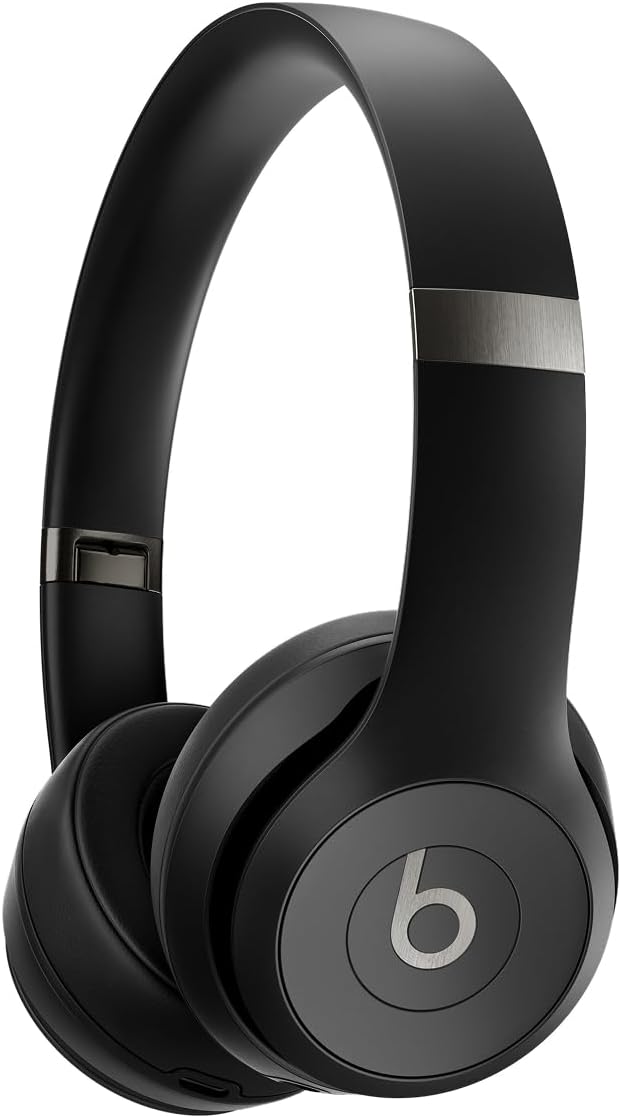
The Beats Solo 4 combines an ultralight on-ear format with premium wireless features and broad device compatibility. Its 4.6 rating reflects a 4.8-ounce design, up to 50 hours of battery life, Personalized Spatial Audio with dynamic head tracking, Fast Fuel charging, and support for high-resolution audio through USB-C or a 3.5mm cable.
We may earn a commission when you buy through this link, at no additional cost to you.
Comfort is built around a Flex-grip headband, ergonomically angled adjustable ear cups, and UltraPlush ear cushions. The design is intended to remain comfortable while also providing a stable fit. Updated drivers and custom acoustic architecture handle the core sound role, while one-touch pairing supports both iOS and Android devices.
The charging system is particularly convenient. A ten-minute charge can provide up to five hours of playback, which is useful for short gaps before work, school, or travel. Class 1 Bluetooth is specified for extended range and fewer dropouts, while high-quality call performance, voice-assistant interaction, and a built-in microphone support communication needs.
The principal limitation is the absence of listed active noise cancellation. The on-ear format may also provide less passive isolation than a full over-ear model in a noisy environment. Even so, the Solo 4 is a strong premium recommendation for listeners who prioritize portability, polished comfort, long battery life, spatial audio, and easy switching between wireless and wired listening.
The Solo 4 prioritizes a light on-ear design without giving up cushioning or adjustment. Its flex-grip headband, angled cups, and soft pads are intended to distribute weight and maintain a stable fit, making it a practical travel and daily commute companion.
Personalized Spatial Audio with dynamic head tracking adds a dimensional presentation to supported content. One-touch pairing and compatibility with both iOS and Android make the headphones accessible regardless of which side of the mobile ecosystem a listener prefers.
Fast Fuel adds up to five hours of playback from a ten-minute charge, while USB-C and 3.5mm operation provide alternatives when the battery is low or a higher-resolution wired connection is preferred.
We may earn a commission when you buy through this link, at no additional cost to you.
The easiest headphones are not necessarily the ones with the most features; they are the ones whose connection method, fit, controls, battery behavior, and sound options suit your routine. Use the following factors to narrow the field before comparing individual models.
Choose based on where and how you listen most often. Wired models are well suited to desks, studios, and gaming setups. Wireless models suit commuting and mobile use. A hybrid design is useful for travelers, students, and office workers who move between devices and cannot always predict whether a cable will be available.
For daily work or study, prioritize padding, balanced weight, and a secure headband. For short commutes or workouts, a compact, lightweight design may be more useful. If possible, choose a model with swiveling or rotating cups because they make removal, storage, and one-ear listening less awkward.
For frequent travelers, prioritize long runtime and fast charging. Office users may find 40 to 50 hours sufficient, while students and home workers can benefit from 65 hours or more. Wired listeners do not need to consider battery specifications at all.
Choose ANC if noise is a major source of listening fatigue, especially during travel or open-office work. If you listen mainly at a desk or need the lightest, simplest design, passive isolation may be enough. Transparency mode is worth considering when you frequently need awareness of your surroundings.
Start with the sound profile you would use most. Add more control only if you value it. Direct buttons are best for quick changes, app controls are better for occasional deep customization, and models with no EQ may be the least distracting for listeners who want a consistent presentation.
Remote workers and students should favor a clearly described microphone, fast device switching, and multipoint or dual-device connectivity. Listeners who mostly consume media can prioritize sound, comfort, and battery over call-specific features.
For a backpack or carry-on, prioritize low weight, folding construction, and cable management. For desk use, storage matters less, and comfort may deserve more attention. Foldability is especially helpful when the same pair must support music, calls, and travel.
Make a short list of the devices you expect to use and check the specifications before ordering. Verify the plug size for wired models, the operating system for apps, and whether a feature you want works in wired mode. This prevents the most common source of setup frustration.
Begin with the connection method that matches the headphone. For a wired model, connect the plug to the correct output and lower the device volume before putting the headphones on. For Bluetooth models, charge the headphones, enable Bluetooth on the source device, select the headphone name from the available devices list, and wait for the connection to stabilize. If a model supports two-device pairing, repeat the process for the second source before adjusting sound and volume.
After connecting, choose a comfortable fit. Extend the headband evenly, position the earcups over or around the ears, and keep the cable clear of sharp edges. On models with EQ buttons, touch controls, ANC keys, or app settings, begin with the neutral or Normal mode and make small adjustments. For best results in a noisy environment, activate ANC; for awareness of nearby voices, use transparency mode where available.
Store the headphones in a dry, protected place after use. Fold swiveling earcups inward where the design permits, loosely wind any cable, and avoid creating sharp bends in the cord. Clean earcups and headband according to the manufacturer's care instructions, and remove the headphones before washing or soaking them. Charge wireless models with the recommended power adapter, particularly when the product information calls out adapter specifications.
Usually, yes. Wired headphones connect directly to a compatible audio jack and require no pairing, charging, firmware updates, or app setup. They are particularly simple for computers, instruments, and fixed listening stations. Wireless headphones are easier for commuting and mobile use because they remove the cable, although they add battery management and Bluetooth connection steps.
The Soundcore Q20i, TOZO HT3, KVIDIO 65H, BERIBES 65H, and Picun B8 all support Bluetooth and include straightforward device selection in their described procedures. The Sony WH-CH520 also offers Fast Pair and Swift Pair for compatible devices. Before the first use, fully charge the headphones and keep them close to the device being paired.
No, but it can be valuable on flights, trains, in busy offices, or anywhere background noise is distracting. The TOZO HT3 and Soundcore Q20i provide active noise cancellation, while other models rely mainly on their physical seal. If your main listening locations are quiet, a lighter wired or wireless model may meet your needs without that feature.
Around 40 hours is sufficient for many workweeks if the headphones are charged regularly. Models offering 50 to 65 hours reduce charging frequency further, while the Picun B8 and TOZO HT3 advertise 120 and 90 hours respectively. Consider quick charging as well as total runtime, especially if you often begin a trip with a partially charged battery.
Not universally. Over-ear headphones generally surround the ears and distribute their weight more broadly, which many listeners find comfortable for long sessions. On-ear models are lighter and more compact but can create pressure directly on the ears. The best choice depends on head shape, padding, weight, and how long you plan to wear the headphones.
That depends on the computer and the connection options supplied with the headphones. Some models include a 3.5mm cable, while the TOZO HT3 supports AUX and USB-C connections, and the Beats Solo 4 supports USB-C or 3.5mm audio. A separate compatible Bluetooth adapter or transmitter may also be needed if the computer has no built-in wireless receiver.
No. Basic playback, calls, ANC, and wired listening generally work without an app. Apps are most useful for detailed EQ, presets, firmware updates, spatial settings, and device-specific features. The Soundcore Q20i and TOZO HT3 offer extensive app control, whereas models such as the Sony MDR-ZX110 and LORELEI X6 keep operation physical and immediate.
Charge them with a compatible adapter, keep the earcups clean, and avoid moisture or extreme heat. Store folding models in their folded position and wind cables loosely to prevent tangles and sharp bends. Touch controls and microphones can collect skin oil and dust, so gentle cleaning according to the manufacturer's instructions helps maintain reliable everyday operation.
The Sony MDR-ZX110 is the clearest choice for listeners who want an uncomplicated wired headset, while the TOZO HT3 stands out for comprehensive wireless convenience, noise cancellation, long playtime, and flexible connection modes. The Beats Solo 4 delivers a premium portable experience with strong battery life, spatial features, and broad platform compatibility. Each takes a different route to making headphones easier to live with.
Prioritize the features that remove daily friction. Choose a wired model for dependable setup, a lightweight wireless model for mobile listening, multipoint or dual-device support for a phone-and-computer routine, and ANC if external noise regularly disrupts you. Match the form factor to your head and session length, then check the supplied connection details before ordering.
Ratings, product features, and availability can change over time, so confirm the current listing and specifications before making a final decision. For a balanced mix of usability, noise control, battery life, and connection options, the TOZO HT3 is a particularly versatile place to start; simpler needs may be met even more directly by the Sony MDR-ZX110.