Explore the best 4G antenna for trail cameras, comparing connector types, gain, waterproofing, compatibility, cable length, mounting options, and performance.
As an Amazon Associate we earn from qualifying purchases. We may earn a commission when you buy through links on this page, at no additional cost to you.As an Amazon Associate we earn from qualifying purchases.Purchases through our links may earn us a commission, at no extra cost to you.
A 4G antenna for trail cameras can make the difference between reliable remote monitoring and repeated upload failures. The right external antenna improves reception, supports clearer photo and video transmission, and gives outdoor cameras a better chance of maintaining a cellular connection in wooded, mountainous, or otherwise remote locations.
We compared the ten options in this guide by connector type, supported frequency bands, advertised gain, radio characteristics, weather resistance, cable construction, mounting hardware, package quantity, and the specific trail camera families each listing identifies as compatible. We also considered the practical value of adapters, multiple-antenna packs, and installation flexibility.
Each review explains who the antenna best suits, which technical details matter most, and where compatibility requires close attention. Ratings and product information reflect the supplied listings, while availability and prices change over time. Always verify the camera connector, antenna dimensions, mounting method, and supported cellular bands before ordering.
Top 3 Picks for Best 4G Antenna for Trail Cameras
Best Budget
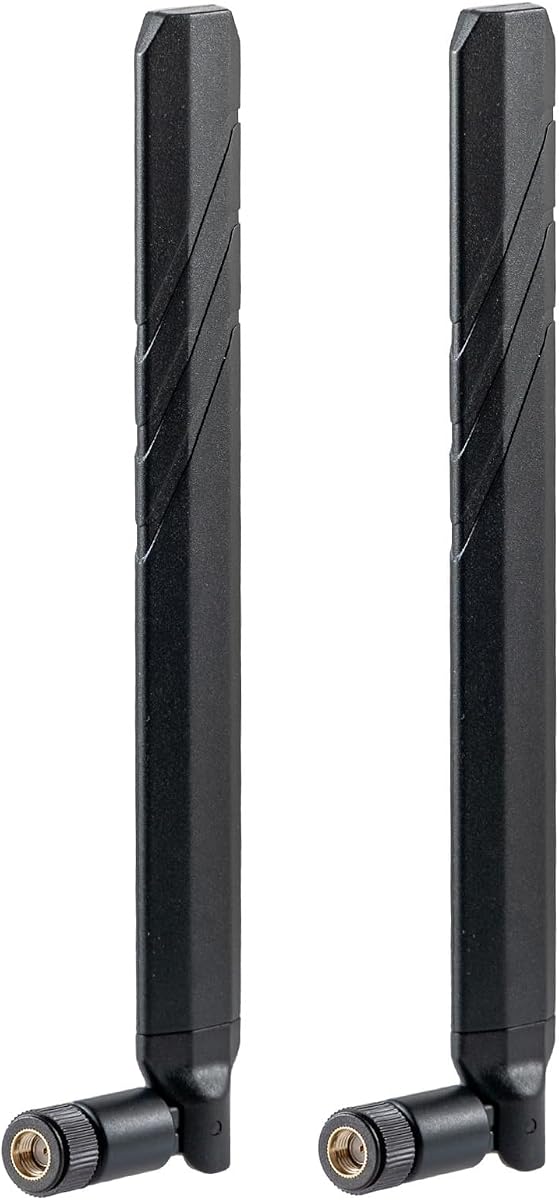
Cellular Trail Camera Upgrade Replacement RP-SMA Male Antenna Booster for Spypoint Link Micro EVO Tactacam Reveal Defend XB X Pro Reveal X Gen Stealth Cam Hunting 4G LTE Trail Camera, 2-Pack
Cellular Trail Camera Replacement RP-SMA Male Antenna Compatible with Spypoint Link Micro EVO Dark Tactacam Reveal SK XB X Pro Reveal X Gen Stealth Cam Hunting 4G LTE Trail Camera, 2-Pack
High Gain 10dBi LTE Cellular Antenna for All Series Spypoint Flex G36 Link Micro/Stealth CAM/Tactacam Reveal X Gen 2.0/3.0, Reveal X PRO/Reolink Go PT/Moultrie Edge Cellular Trail Camera, Eifagur
Top 10 Best 4G Antenna for Trail Cameras in 2026 Compared
The table below places all ten antennas side by side, focusing on the connector, gain, frequency support, weather protection, and other factors that affect outdoor trail camera installations.
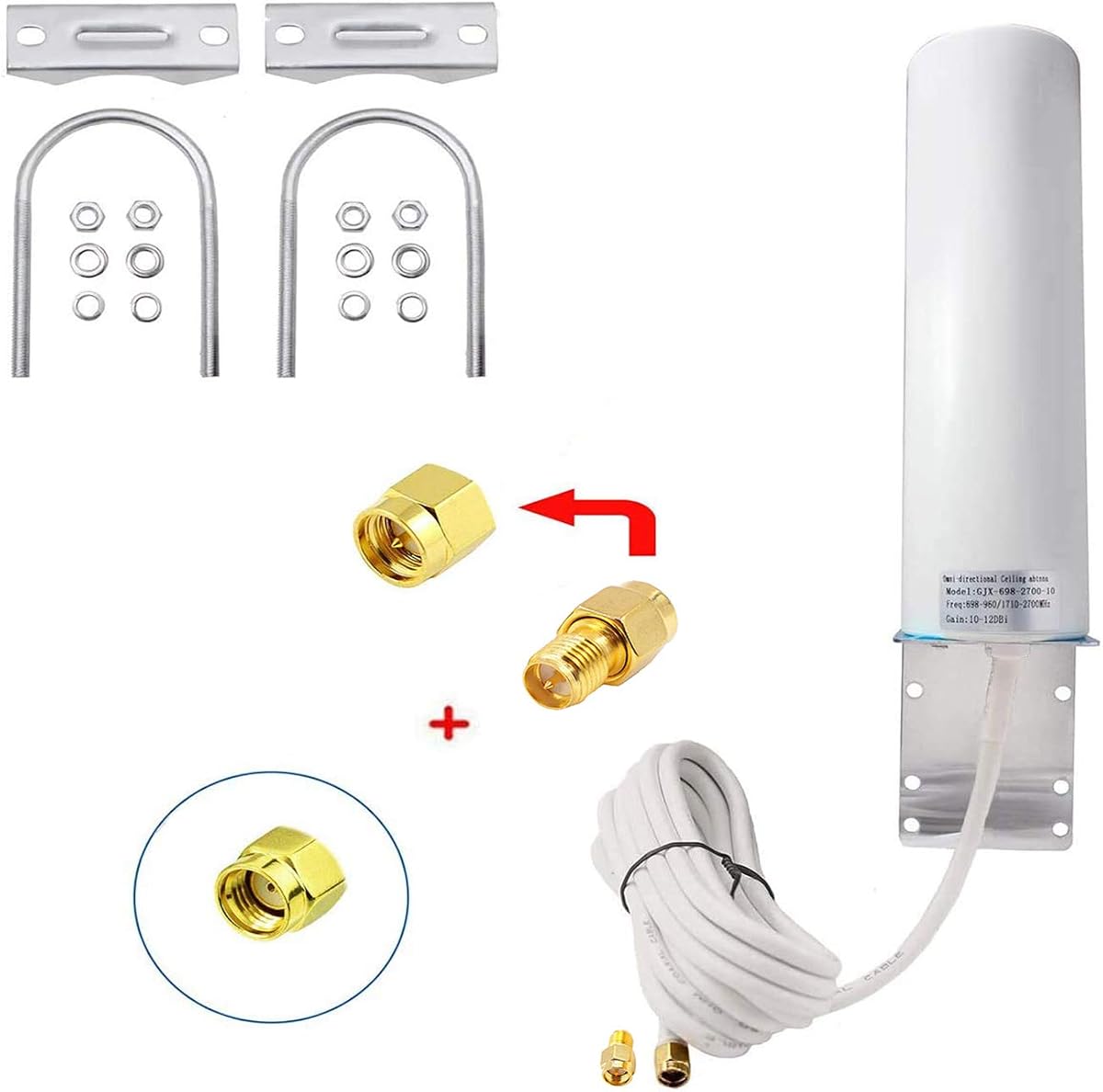
The Bingfu SMA 4G LTE Antenna is a flexible replacement antenna with a 4.0 rating and a clear emphasis on broad device compatibility. Its listed 698–2700 MHz frequency range covers major LTE cellular bands, while the 5dBi omnidirectional design provides a balanced option for users who want a mounted external antenna rather than the smallest possible replacement.
Pros
Supports both connector styles
Includes mounting hardware
Broad cellular band coverage
Works across many device types
Cons
Lower advertised gain
Single-antenna package
We may earn a commission when you buy through this link, at no additional cost to you.
The package includes an RP-SMA male-to-SMA male adapter, a wall-mount bracket, and four self-tapping screws. That adapter arrangement is particularly useful because SMA and RP-SMA fittings look similar but are electrically different. The listing also names compatible Tactacam, Spypoint, Stealth Cam, Moultrie, Covert, Cuddeback, Muddy, and other cellular camera families.
Its five dBi gain is modest compared with the ten dBi models in this guide, so it may not be the strongest choice for exceptionally difficult terrain. The fixed wall or through-hole mounting design also requires a suitable surface, and the supplied three-meter cable places a limit on how far the antenna can be positioned from the camera.
This antenna is most appropriate for a standard outdoor installation where connector flexibility, straightforward mounting, and broad device applicability matter more than maximum gain. It is also a practical option for cellular routers and other SMA-equipped equipment beyond trail cameras. Confirm the camera's antenna port and compare the physical mounting space before purchasing.
One Antenna, Several Connector Options
The included RP-SMA adapter expands the antenna's usefulness for devices with either of the two commonly confused connector types. Buyers should still inspect the camera port rather than relying on model-family assumptions.
Purpose-Built Outdoor Mounting
The wall bracket and self-tapping screws make it easier to place the antenna above vegetation or near a clearer line of sight. A higher, unobstructed position is often as important as the advertised gain figure.
This two-pack stands out with a 4.7 rating, the highest among the supplied products, and combines 10dBi advertised gain with a broad 600–6000 MHz frequency range. Those characteristics make it an attractive all-around choice for users seeking stronger reception and wider band coverage than the standard 698–2700 MHz alternatives.
Pros
Highest supplied customer rating
Exceptionally broad frequency range
Two antennas included
Strong ten dBi gain
Cons
Requires RP-SMA connection
Gain varies by installation
We may earn a commission when you buy through this link, at no additional cost to you.
The antennas use RP-SMA male connectors, 50-ohm impedance, an omnidirectional radiation pattern, and a voltage standing wave ratio below 1.8. IP67 weather resistance is especially relevant for cameras exposed to rain, dust, and seasonal temperature changes. The listing names Spypoint Link Micro, LINK-EVO, LINK-S Sola, LINK-DARK, and LINK-W models alongside Tactacam Reveal and Stealth Cam families.
A two-pack provides useful flexibility: one antenna can serve a primary camera while the second can be installed elsewhere, used as a replacement, or deployed on another compatible cellular device. Actual performance still depends on terrain, carrier coverage, antenna height, cable condition, and the camera's internal antenna system. Maximum gain cannot compensate for an area with no usable cellular network.
This is the leading general recommendation for buyers with RP-SMA trail cameras who want high advertised gain, wide frequency support, and two units in one package. It is especially relevant to locations where reception changes with vegetation or weather. Verify the connector and physical clearance around the camera's antenna port, then position the unit as high and as exposed as practical.
Broad Coverage Across Cellular Bands
The 600–6000 MHz specification is notably wider than the common 698–2700 MHz range listed for many alternatives. That breadth can provide flexibility across different cellular deployments and changing carrier conditions.
Two Units Add Deployment Flexibility
The two-pack can support two installations or provide a spare for harsh outdoor service. It also lets a user compare antenna positions without keeping the original camera antenna disconnected.
Bingfu's RP-SMA 4G LTE antenna pairs a 4.3 rating with a substantial 9dBi advertised gain. Its frequency coverage spans 698–960 MHz, 1710–2170 MHz, and 2300–2700 MHz, supporting major cellular networks including Verizon, AT&T, T-Mobile, and Sprint according to the listing.
Pros
Strong nine dBi gain
Two antennas supplied
Extensive camera compatibility
Recognized cellular frequency bands
Cons
Not compatible with SMA
Listed models have limitations
We may earn a commission when you buy through this link, at no additional cost to you.
Two antennas are included, making this a practical option for multiple compatible trail cameras or for keeping a replacement on hand. The omnidirectional pattern avoids the need to aim the antenna at a specific tower. Its compatibility list includes several Tactacam Reveal and Defend models, selected Spypoint Link models, and numerous Stealth Cam Fusion, Deceptor, Revolver, and Spectre cameras.
Connector accuracy is essential. The fitting is RP-SMA male, identified by a hollow center without a pin, rather than standard SMA. The listing also warns that the supported Spypoint selection is partial, so buyers should confirm the exact camera model rather than assuming every Spypoint product has the same antenna port.
This antenna is a good middle ground for buyers who want more gain than the six dBi models without moving to the ten dBi premium options. It is especially useful for a pair of compatible cameras. Check the camera connector, measure the available clearance, and install each antenna where it has the clearest available view of cellular service.
Near-Maximum Gain for Multiple Cameras
The nine dBi specification places this option close to the top of the guide while remaining below the maximum advertised gain. Two included antennas make it practical to standardize a multi-camera property.
Connector Clarity Prevents Fitment Errors
The product description explicitly distinguishes RP-SMA from SMA and explains the hollow connector center. That attention to fitment is valuable because a visually similar connector can make an otherwise capable antenna unusable.
This RP-SMA antenna booster offers a 4.4 rating, two included units, and 9dBi advertised gain. It delivers most of the signal-strength headline of the premium ten dBi products while remaining a straightforward two-pack upgrade for compatible cameras.
Pros
Strong nine dBi gain
Two weather-resistant antennas
Broad major cellular bands
Extensive trail camera compatibility
Cons
Requires RP-SMA fitting
Mounting hardware not specified
We may earn a commission when you buy through this link, at no additional cost to you.
The operating range is 698–2700 MHz, with 50-ohm impedance, an omnidirectional pattern, a voltage standing wave ratio below 1.8, and an IP67-rated housing. Its listing identifies Spypoint Link Micro, LINK-EVO, LINK-S Sola, LINK-DARK, and LINK-W cameras, along with Tactacam Reveal and Defend models and Stealth Cam products using RP-SMA.
The listing describes the product as helping enhance cellular signal reception and connectivity in remote locations, which is a reasonable expectation for an external antenna placed correctly. It cannot create carrier coverage where none exists, and installation height, tree cover, terrain, carrier congestion, and camera placement will still influence results. Users should also provide for strain relief and weatherproofing at the camera connection.
This is a strong budget pick for users who need two compatible high-gain antennas without moving to a premium model. It also works well for a primary camera and a spare unit. Confirm the connector, follow the camera maker's antenna instructions, and mount the antenna in a clear location to get the most from its advertised specifications.
High Gain at a Practical Entry Point
A nine dBi rating and two-unit package make this a compelling option for multi-camera users. Its performance-oriented specifications remain focused on the cellular bands most trail cameras use.
Weather Resistance for Field Use
The IP67 enclosure is useful in exposed hunting areas where rain, dust, and humidity are normal. Connector protection remains the user's responsibility because the antenna rating does not automatically cover the camera port.
The Bingfu 4G LTE Antenna 4-Pack combines a 4.4 rating with four included antennas and 8dBi advertised gain. It is an efficient choice for buyers outfitting several trail cameras, especially when those cameras use the standard SMA connector.
Pros
Four included antennas
Strong eight dBi gain
Supports multiple camera brands
Broad cellular frequency support
Cons
Uses SMA not RP-SMA
Limited Spypoint model support
We may earn a commission when you buy through this link, at no additional cost to you.
Its listed frequency support covers 698–960 MHz, 1710–2170 MHz, and 2300–2700 MHz, and the product is described as compatible with Verizon, AT&T, T-Mobile, Sprint, and similar networks. The antenna is omnidirectional, so no tower-facing adjustment is required. Compatibility is listed for selected Spypoint Flex and Cell-Link models, Moultrie Edge 3 and Covert cellular cameras, and Spartan GoLive, Ghost, and GoCam cameras.
Four units provide an easy way to cover multiple hunting properties, prepare a fleet of cameras, or keep replacements available for weather damage. As with other high-gain antennas, installation quality will influence the result. A camera near the ground, inside dense vegetation, or in a metal enclosure may not benefit as much as an antenna positioned above those obstructions.
This four-pack is best for standard SMA-equipped cameras and multi-camera installations. It should not be selected for an RP-SMA port, and the supported Spypoint list is explicitly limited. Verify both the connector and exact camera model before ordering, especially when the camera family also offers different antenna fitting options.
Four Antennas for Larger Setups
The four-pack is unusually practical for wildlife properties monitoring several locations. Buyers can standardize compatible cameras while keeping two units as spares.
Balanced Gain and Coverage
Eight dBi provides a meaningful increase over the five and six dBi alternatives without reaching the guide's maximum. Its broad cellular range supports common LTE deployments.
The Eifagur RG58 antenna offers a 4.1 rating and a practical three-meter RG58 cable designed to reduce signal loss over the run from the camera. Its 5dBi omnidirectional gain is modest, but the thicker cable and included adapter make it useful for reaching an elevated mounting position.
Pros
Thicker low-loss RG58 cable
Includes wall-mount hardware
Adapter supports SMA devices
Broad camera compatibility
Cons
Modest five dBi gain
Adapter adds connection complexity
We may earn a commission when you buy through this link, at no additional cost to you.
The antenna covers 698–960 MHz, 1710–2170 MHz, and 2300–2700 MHz, with 50-ohm impedance, a voltage standing wave ratio below 1.8, and an IP67 enclosure. The package includes one antenna, a wall-mount bracket, four screws, and an RP-SMA female-to-SMA male adapter. The listed connector arrangement therefore allows use with cameras using either RP-SMA or SMA.
Compatibility information is broad, naming Spypoint Flex and Link families, Stealth Cam, Tactacam Reveal X PRO, Moultrie Mobile Edge Pro, Spartan GoCam, Covert, and Muddy models, as well as other cellular cameras. Because these brands use different antenna ports across product generations, the connector specification is more dependable than family name alone.
This antenna is a sensible choice when the key requirement is a longer, thicker cable and a simple fixed mount rather than maximum gain. It may be especially useful if the best signal position is several feet above or away from the camera. Confirm the required connector, protect the joint from moisture, and mount the antenna in the clearest available position.
Thicker Cable for Longer Runs
The ten-foot RG58 cable provides more placement distance than a short antenna lead while retaining a relatively substantial cable construction. That can be valuable when the camera sits beneath a tree or inside a shelter.
A Useful Connector Adapter
The included RP-SMA female-to-SMA male adapter allows the same antenna to serve both connector formats. Every connection should remain dry and mechanically secure to avoid signal instability.
This Bingfu RP-SMA antenna combines a 4.5 rating with a measured 6dBi gain and a two-unit package. It is a strong all-around recommendation for buyers who need a straightforward external antenna improvement without moving to the highest-gain option.
Pros
Highly rated customer feedback
Two antennas included
Extensive brand compatibility
Supports cellular routers
Cons
Lower gain than premium models
Requires RP-SMA connector
We may earn a commission when you buy through this link, at no additional cost to you.
Its omnidirectional design covers 698–960 MHz, 1710–2170 MHz, and 2300–2700 MHz, and the listing names Verizon, AT&T, T-Mobile, and Sprint among supported networks. Compatibility includes Tactacam Reveal and Defend cameras, selected Spypoint Link models, and numerous Stealth Cam Fusion, Deceptor, Revolver, and Spectre products. The same RP-SMA fitting also suits compatible routers, modems, hotspots, and other cellular equipment.
The two included units allow simultaneous use on two cameras or provide a spare for an exposed installation. Six dBi will not outperform the nine and ten dBi antennas in every scenario, but antenna performance is affected by placement and surroundings. A six dBi antenna in an open, elevated location can outperform a higher-gain model that is poorly positioned.
This option works well for users who value a high customer rating, broad device relevance, and a two-pack at a modest specification level. It is particularly suitable for properties with multiple compatible cameras. Check for the hollow-centered RP-SMA male fitting, confirm exact camera support, and place each antenna as high and unobstructed as possible.
A Moderate-Gain Starting Point
Six dBi offers more headroom than the five dBi choices without the size and positioning demands associated with the maximum gain figure. It is a balanced choice for moderate coverage problems.
Useful Beyond Trail Cameras
The same RP-SMA configuration can support cellular routers, modems, hotspots, security cameras, and industrial gateways. That makes the two-pack practical for mixed-device installations.
The Bingfu Long-Range Outdoor SMA antenna has a 4.1 rating and emphasizes durable fiberglass construction for long-term outdoor placement. Its six dBi gain is moderate, but the weather-resistant housing, adapter, bracket, and screws create a well-rounded installation package.
Pros
Durable fiberglass antenna body
Includes RP-SMA adapter
Broad camera brand compatibility
Complete mounting package
Cons
Moderate six dBi gain
Single antenna included
We may earn a commission when you buy through this link, at no additional cost to you.
The antenna supports 698–960 MHz, 1710–2170 MHz, and 2300–2700 MHz and is listed for Verizon, AT&T, T-Mobile, Sprint, and similar carrier networks. The product description identifies Spypoint, Tactacam, Stealth Cam, Moultrie, Covert, Spartan, Cuddeback, and Muddy devices among its compatible applications, subject to the connector used by each camera.
The included RP-SMA adapter broadens its usefulness, while the wall-mount bracket and self-tapping screws support a permanent elevated position. The exterior is described as waterproof and durable for long-term outdoor use. As with all external antennas, a dry connector, proper strain relief, and a secure mount are important because water intrusion and movement can cause intermittent performance.
This is a good selection for a single permanent camera installation where durability and complete hardware matter. It also suits users who need one antenna for a trail camera and another for a compatible router. Check the connector before ordering and use a cellular coverage map and signal readings to determine whether a higher-gain model would be more appropriate.
Built for Permanent Outdoor Placement
The fiberglass body is designed for exposure and long-term use. A rigid fixed mount can also reduce movement that might otherwise affect a temporary antenna position.
Everything Needed for Installation
The bracket, screws, and connector adapter reduce the number of separate accessories needed. Users should still match the mounting surface and hardware to the camera location.
The Eifagur High Gain antenna is the premium choice in this guide, offering a maximum advertised gain of 10dBi with a 4.1 rating. Its ten-foot RG58 cable and mounting provisions are designed to help users place the antenna away from the camera and in a clearer reception area.
Pros
Maximum advertised gain
Long RG58 installation cable
Wall and mast bracket options
Very broad device compatibility
Cons
Requires RP-SMA fitting
Placement strongly affects results
We may earn a commission when you buy through this link, at no additional cost to you.
The unit covers 698–960 MHz, 1710–2170 MHz, and 2300–2700 MHz, uses 50-ohm impedance, and has an omnidirectional pattern. Compatibility includes a broad range of Spypoint Flex, G-36, Link, and LINK-EVO cameras; Tactacam Reveal, Reveal PRO, and Defend models; and cellular trail cameras from Moultrie, Stealth Cam, Muddy, Covert, and Reolink.
The RP-SMA male connector is paired with an RP-SMA female-to-SMA male adapter. Its U-shaped bracket can be used on an approximately two-inch mast or pipe, while the listing also describes wall mounting. Installation guidance recommends keeping an omnidirectional antenna vertical and as high as possible, which is essential for predictable outdoor performance.
This antenna is best for demanding remote locations where reception is weak but cellular service exists. The ten dBi specification can improve the camera's ability to receive data and transmit images, but it cannot overcome absent carrier coverage or congestion. Choose it when you can mount the antenna vertically, minimize cable damage, and keep the connection secure and dry.
Maximum Gain for Difficult Terrain
The ten dBi rating gives this model the strongest advertised gain in the guide. It is best considered in forests, valleys, and other locations where a low internal camera antenna struggles.
Cable and Mounting Flexibility
The ten-foot RG58 cable allows meaningful separation between the camera and antenna, while the bracket supports a vertical mast or pipe. Correct positioning is as important as the gain rating.
The Eifagur RG58 Replacement Antenna has a 4.6 rating and provides a balanced seven dBi gain with a ten-foot RG58 cable. It offers a middle path between the guide's modest five dBi models and the maximum-gain ten dBi options.
Pros
Strong 4.6 customer rating
Seven dBi balanced gain
IP67 weather protection
Wide trail camera compatibility
Cons
Adapter may be required
Lower gain than top models
We may earn a commission when you buy through this link, at no additional cost to you.
Its listed 698–2700 MHz frequency range, 50-ohm impedance, voltage standing wave ratio below 1.8, and IP67 housing align with the needs of an outdoor cellular camera. The listing names Spypoint LM2, Flex, Link Micro, Link Dark, Link S, and LINK-EVO models; Tactacam Reveal and Reveal PRO families; and Spartan, Stealth Cam, Moultrie, Muddy, Covert, Reolink, and other cellular devices.
The package contains one antenna, a wall-mount bracket, four screws, and an RP-SMA female-to-SMA male adapter. That allows the product to address both common connector styles, although the correct adapter orientation must be confirmed. The longer RG58 cable also gives more freedom to locate the antenna where vegetation and terrain interfere least.
This antenna is a strong choice for users who want a high customer rating without choosing the absolute maximum gain figure. It suits a permanent mounted installation and broad camera compatibility. Verify the camera's antenna port, inspect clearance for the connector, and protect every joint from moisture and strain before relying on the camera for remote monitoring.
A Balanced Middle Ground
Seven dBi offers a useful compromise between easy placement and maximum signal gain. It is a sensible default for cameras facing intermittent rather than extremely difficult reception.
Weather-Ready Camera Upgrade
The IP67 housing supports dependable outdoor use, while the RG58 cable allows the antenna to be mounted above nearby obstructions. Weatherproofing the camera-side connection remains equally important.
We may earn a commission when you buy through this link, at no additional cost to you.
Buying Guide – How to Choose the Best 4G Antenna for Trail Cameras
The best antenna is not simply the one with the largest gain number. Connector fitment, carrier bands, camera compatibility, mounting position, cable quality, and environmental protection must all align with the camera and the location.
Confirm the Antenna Connector
Connector type is the first thing to verify because SMA and RP-SMA fittings can look nearly identical while being electrically different. A standard SMA male connector generally has a center pin, while an RP-SMA male connector has a hollow center. Several listings explicitly warn buyers to check this distinction before ordering. The camera manufacturer or manual is the best source, while the physical connector should be compared carefully with the product photo. An adapter can bridge some differences, but it must be the correct gender and orientation and should be mechanically secured rather than forced.
Choose the exact connector required by the camera, and treat included adapters as a convenience rather than an automatic guarantee of compatibility.
Match Frequency Bands to Carriers
Most cellular trail cameras operate across LTE bands associated with major carriers such as Verizon, AT&T, T-Mobile, and Sprint. Most products in this guide cover 698–2700 MHz, including 698–960 MHz, 1710–2170 MHz, and 2300–2700 MHz ranges. The wideband 600–6000 MHz model offers broader coverage, which can be useful when carrier configurations vary. An antenna cannot receive a cellular signal that the local network does not provide, so check coverage maps for the specific hunting area before spending on a more powerful model.
For most 4G cameras, a listed 698–2700 MHz range is appropriate, while broader band support may provide additional flexibility.
Understand Advertised Gain
Gain describes how strongly an antenna concentrates its signal relative to a reference antenna. The guide includes models from 5dBi through 10dBi, and higher figures can help in obstructed locations. However, gain is not the only factor. Directionality, cable loss, mounting height, nearby vegetation, terrain, tower distance, and network congestion all affect the final result. A well-positioned 6dBi antenna may outperform a poorly positioned 10dBi antenna. Treat gain as a useful comparison point rather than a guaranteed performance score.
Higher-gain models suit weak-signal areas best when they can be mounted vertically, high, and clear of obstructions.
Check Weather Resistance
Trail cameras are exposed to rain, humidity, dust, insects, snow, and large temperature swings. Antennas with an IP67 designation provide a useful indication of dust and water ingress protection. Weather resistance is still only one part of the installation: the connector, cable entry, and camera port must remain dry. A small amount of moisture or corrosion can cause unstable reception even when the exterior antenna looks undamaged. Choose sealed or protected connections, add strain relief, and avoid leaving the camera-side joint exposed.
An IP67 housing is preferable for exposed sites, but protected connectors and sound strain relief complete the weatherproof installation.
Evaluate Cable Length and Loss
Cable length determines how far the antenna can be separated from the camera. A longer cable can help a user reach a clearing, roofline, pole, or other position with better reception, but longer runs may introduce more signal loss. The included products use either a three-meter RG58 cable or a standard lead depending on the model. RG58 is a substantial coaxial cable and may be helpful for longer installations, provided connectors remain secure and the cable is not sharply bent or damaged. Avoid unnecessary slack, pinched cable, and routing through metal.
Choose enough cable to reach a superior position without adding excess length, and use quality coaxial cable when distance from the camera matters.
Validate Camera Model Compatibility
Brand-level compatibility is useful but not always sufficient. Trail camera manufacturers change connectors and antenna ports across model generations, and some listings clearly limit support to selected Spypoint models. Confirm the exact model designation before buying, especially when the listing says it is not compatible with other models in the same family. Also verify whether the camera expects a passive antenna, includes special filtering, or requires a specific adapter. A physical connector match and a confirmed model are safer than relying on a family name alone.
Match the precise camera model and connector, then check whether the manufacturer lists any antenna limitations or required accessories.
Choose the Right Mounting Method
The best signal often comes from placing the antenna higher than the camera and away from metal, vegetation, and direct ground contact. Included options range from wall brackets and through-hole mounts to U-shaped brackets for an approximately two-inch mast or pipe. A rigid mount is useful for permanent installations, while a more flexible position may help during initial signal testing. The antenna should remain vertical because an omnidirectional antenna's radiation pattern is designed around that orientation. Plan for tool access, cable strain, and a location that is not easily reached by animals.
Prioritize a vertical, elevated, unobstructed position with secure hardware and manageable cable strain over a convenient but low placement.
Consider Package Quantity
Single-antenna packages suit one camera or one router. Two-packs are convenient for multi-camera properties and provide a spare, while the four-pack can standardize several devices or cover widely separated hunting locations. Package count should follow actual deployment needs rather than automatically indicating better per-antenna performance. Every antenna still requires correct placement. If the goal is to compare two possible positions, a multi-pack is especially useful because the original internal or factory antenna can remain available as a fallback.
Choose a single unit for one deployment and a multi-pack for multiple cameras, spare coverage, or position testing.
How to Use and Care for Your 4G Antenna for Trail Cameras
Begin by disconnecting the camera's existing antenna according to the camera manual, noting the connector type and the orientation of any adapter. Connect the replacement antenna without forcing the fitting, route the cable with a gentle bend, and secure it so it cannot tug on the camera port. If an adapter is required, confirm that its male and female ends match both the antenna and camera.
Mount the antenna vertically and as high as practical. Use the supplied bracket where appropriate, or install a suitable pole or wall bracket. Keep the antenna away from metal objects, dense foliage, roof edges that create interference, and direct contact with the ground. Leave enough cable to reach the selected position without tight bends, excess slack, or exposed connectors.
Test the connection before relying on the camera in the field. Confirm that the camera recognizes the network, check signal indicators, and attempt a photo or video upload. After extended use, inspect the mounting hardware, cable, connector seal, and antenna housing. Moisture, corrosion, loosened screws, or damaged insulation can cause intermittent connectivity, so clean or replace affected components as needed.
Frequently Asked Questions
How do I know whether my trail camera needs SMA or RP-SMA?
Check the camera manual, the replacement antenna listing, and the physical connector before ordering. A standard SMA male connector normally has a center pin, while an RP-SMA male connector has a hollow center. Do not rely on thread appearance alone, because both connector types use similar external threads. If an adapter is included, verify its connector gender and orientation before installing it.
Will a higher-gain 4G antenna always improve trail camera uploads?
No. Higher gain can improve reception when the location has usable cellular coverage, but it cannot create coverage or eliminate network congestion. Placement, cable loss, terrain, vegetation, tower distance, and the camera's internal antenna also matter. A properly positioned moderate-gain antenna may outperform a higher-gain model installed low or beside metal obstructions.
Where is the best place to mount an external trail camera antenna?
Mount it vertically, as high as practical, and in a clear location with fewer obstructions. Avoid ground level, dense brush, metal structures, and tight cable bends. A pole or exterior wall can be better than the camera's immediate mounting point when it provides a clearer view of the cellular network. The antenna also needs a secure mount that will remain stable in wind and animal activity.
Can I use the same 4G antenna with a cellular router or security camera?
Many of the listed antennas are advertised for routers, modems, hotspots, security cameras, and other cellular devices as well as trail cameras. The important requirement is an identical connector type and appropriate frequency support. Some listings also include an adapter for converting between SMA and RP-SMA. Confirm the device's connector and any manufacturer-specific antenna requirements before installation.
Does an IP67 antenna rating protect the camera connection?
No. An IP67 rating applies to the antenna housing under its specified test conditions, not automatically to the cable joint or the camera port. Weatherproofing should include a dry connector, compatible sealing method, and strain relief that prevents water from traveling along the cable. Even outdoor-rated electronics benefit from keeping connections clean, dry, and mechanically secure.
Is a longer antenna cable better for a trail camera?
A longer cable helps only when it allows the antenna to reach a substantially better position. The additional length can introduce signal loss, particularly with thinner or poorly terminated cable, so it is not automatically beneficial. RG58 models in this guide provide a substantial coaxial run for elevated placement. Keep the cable as short as practical while still reaching the best available signal position.
Why does my camera work with one antenna but not another?
The most common causes are connector mismatch, an incorrect adapter, a loose or corroded connection, or an antenna positioned poorly. Some cameras may also use model-specific ports or antenna electronics. Check the connector first, then reseat the fitting without forcing it, inspect for moisture, and test at a higher location. Confirm that the antenna's frequency range covers the carrier serving the camera.
Should I purchase a multi-pack for several trail cameras?
A two- or four-pack can be economical when multiple cameras use the same connector and installation plan. It also provides spare units for weather exposure or a way to test different mounting positions. Multi-packs do not automatically improve the gain of each antenna. Verify each camera's model and connector, then assign each unit to a location where it can be mounted vertically and securely.
Final Thoughts on Choosing the Best 4G Antenna for Trail Cameras
The Eifagur Wideband RP-SMA 2-Pack is the strongest overall choice for compatible cameras because it combines a high customer rating, 10dBi advertised gain, wide 600–6000 MHz frequency support, IP67 protection, and two included antennas. The RP-SMA Antenna Booster 2-Pack offers a strong budget-oriented alternative with 9dBi gain, while the Eifagur High Gain antenna is the premium choice for demanding installations that can benefit from its ten-foot RG58 cable and flexible mounting options.
Prioritize the connector before every other feature, then verify exact camera-model compatibility. After that, match the antenna's frequency range and gain to the local cellular environment, choose weather-resistant construction, and plan a vertical elevated installation. A multi-pack is worthwhile for several cameras, but a correct connector and thoughtful placement matter more than the number of antennas in the box.
Cellular performance depends on carrier coverage, terrain, vegetation, network congestion, camera settings, and installation quality, so no antenna guarantees uploads in every remote location. Before buying, confirm the current connector, review the camera maker's guidance, and check the latest product details. Product prices and availability change, so compare current offers when making a final decision.
Our LCD Graphic Displays guide compares 10 options for size, resolution, touch, connectivity, and expandability to help builders choose the right display.
Our LED Lights for Drums guide compares rechargeable stage lighting, light-up drumsticks, control options, and installation for indoor live performers and