
SANDISK 512GB Ultra
4.6Editor score
Up to 130MB/s reads
USB 3.0 performance
Password protection included
Our 10 best Largest Capacity USB Flash Drive picks compare capacity, speed, connectors, durability, and security for phones, laptops, and more in 2026.
A high-capacity USB flash drive can carry an entire project library, a large media collection, or years of important files without relying on cloud storage. The most useful models balance ample space with fast transfer rates, broad device compatibility, dependable construction, and security features that help protect private information.
We compared ten flash drives using the specifications supplied for each product, focusing on capacity, read and write speeds, connector layouts, compatibility, durability, and file-management features. The list covers traditional USB-A models, dual-interface designs, and USB-C options for modern computers, tablets, and smartphones.
Each review shows which use case the drive best suits, from portable everyday storage to demanding 2TB transfers. Maximum performance depends on the host device and connection, so shoppers should verify port standards and software requirements. Market conditions can also change, making it wise to confirm current listing details before buying.
4.6Editor score

4.8Editor score

4.6Editor score
The table below compares capacity, interface design, headline transfer speeds, and key distinguishing features across all ten drives, making it easier to identify the right model for a particular device or storage task.


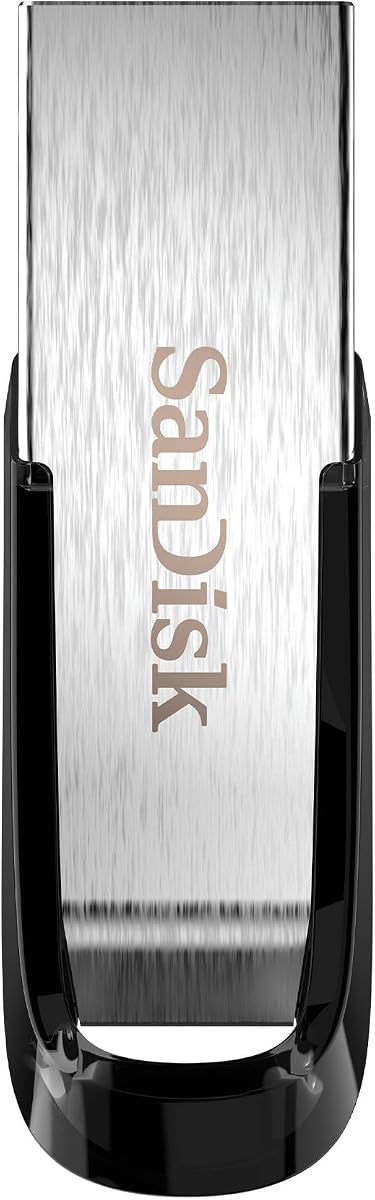


The SANDISK 512GB Ultra combines a generous amount of portable storage with the familiarity of a conventional USB-A flash drive. It carries a 4.6 rating and is positioned as a practical choice for people who want more capacity than a basic thumb drive without moving to the highest-speed 2TB models. Its headline read speed reaches 130MB/s when used with a USB 3.0 host.
We may earn a commission when you buy through this link, at no additional cost to you.
The drive is advertised as transferring files up to 10 times faster than standard USB 2.0 drives, which use 4MB/s. That comparison is most relevant when moving large archives between computers because the difference becomes more noticeable as file sizes grow. Backward compatibility with USB 2.0 also makes the drive useful with older laptops and desktop systems, although its strongest results require a modern USB 3.0 connection.
Security is another useful aspect of this model. The supplied information lists secure file encryption and password protection, making it more appropriate for confidential documents than a basic drive that stores everything openly. The main limitation is its single USB-A connector, so users of USB-C-only computers or modern phones will need an appropriate adapter. The stated 130MB/s figure is also a maximum read speed rather than a guarantee for every file, host, or usage condition.
This is a strong recommendation for students, office workers, and everyday computer users who need a large reusable drive for documents, presentations, photos, and media. It is also a sensible option for anyone who wants a familiar USB-A form factor and backward compatibility. Buyers who regularly move multi-gigabyte libraries or work directly with USB-C phones should give one of the faster dual-interface or USB-C 2TB alternatives closer consideration.
A 512GB drive provides enough room for a substantial working collection without expanding to the largest capacities in this guide. That balance makes the Ultra easier to use as a general-purpose file carrier for work, school, backups, and media that must move between computers.
Password protection and file encryption add practical value for sensitive records. Buyers should set up the protection before storing important files and keep any recovery information needed to access the drive in a separate, secure location.
We may earn a commission when you buy through this link, at no additional cost to you.
The SANDISK 2TB Extreme PRO Dual Drive is the most complete premium option in the group, combining one of the largest capacities with two connector types and exceptional headline transfer speeds. It has a 4.6 rating, supports USB-C and USB-A devices, and is listed at up to 1000MB/s read and 900MB/s write performance.
We may earn a commission when you buy through this link, at no additional cost to you.
Its dual-interface design is particularly useful for creative professionals moving projects among USB-C laptops, tablets, and smartphones before connecting to traditional computers. The 2TB capacity can hold large creative collections, critical documents, and extensive media, while the fast stated transfer rates are designed to reduce waiting during large transfers. The SanDisk app adds automatic backup, file management, and retrieval features, although it must be downloaded.
A sophisticated metal construction supports the drive's more demanding performance positioning, while SanDisk's recovery and encryption technology add protection for important content. These features do not replace sensible backup practices, but they make the product more versatile for valuable files. As with every high-speed flash drive, actual results depend on the host, cable, file type, and available port bandwidth; an older computer may deliver substantially lower performance.
Choose this drive when capacity, portability, and transfer speed are all important, particularly if you work across a mixture of USB-C and USB-A hardware. It is the strongest fit for demanding creative workflows and large archives. Users who only need modest storage or use a single older USB-A computer may find less value in the advanced specification set than the SANDISK 512GB Ultra provides.
USB-C and USB-A connectors reduce the need to carry separate adapters or media. That convenience is valuable when files must move quickly between a modern phone or tablet and a desktop or laptop that still relies on the familiar USB-A interface.
With claimed read speeds up to 1000MB/s and write speeds up to 900MB/s, the drive is well suited to multi-gigabyte project files and extensive media libraries. A USB 3.2 Gen 2-capable host is the most logical way to take advantage of those headline figures.
We may earn a commission when you buy through this link, at no additional cost to you.
The MOVE SPEED 1TB Vpro is a performance-oriented dual-port flash drive designed for people who want substantial capacity and rapid transfers in a compact device. It has a 4.3 rating, uses USB 3.2 Gen 2 and Type-C interfaces, and is described as maintaining 1090MB/s write performance across the drive during large transfers.
We may earn a commission when you buy through this link, at no additional cost to you.
The stated 1090MB/s figure is the headline number that distinguishes this model, although it should be understood as a manufacturer-stated maximum rather than a guaranteed result across every device. The product information also says the drive can transmit a 1GB file in approximately one second. Its dual interfaces support direct transfers among USB-C phones, tablets, computers, and other compatible hardware without requiring a separate cable in many cases.
The zinc alloy housing is presented as offering resistance to water, dust, drops, high temperatures, and magnetic interference. Heat dissipation is another focus, which is relevant when sustained high-speed transfers could otherwise create thermal pressure. A leather keychain case is included for storage, along with a user manual, customer support, and lifetime technical support. These extras add convenience, but the extensive phone and device compatibility claim should still be checked against the exact port requirements of the intended hardware.
This drive is most compelling for users with USB 3.2 Gen 2 equipment who frequently transfer large files between a computer and USB-C phone or tablet. It also works well for a portable high-speed working drive that does not need the absolute maximum capacity of the 2TB choices. Buyers should compare actual host capabilities and avoid expecting every USB-C device to produce the advertised top speed.
The product description emphasizes stable high-speed performance across the full 1TB capacity and improved heat dissipation. Those claims make it more relevant to sustained transfers than a basic flash drive, provided the connected host and workload can support the advertised data rates.
USB 3.2 Gen 2 and Type-C interfaces allow the drive to move between computers and compatible mobile devices with less friction. The included leather case also makes it easier to keep the drive attached to a bag or kept together when it is not in use.
We may earn a commission when you buy through this link, at no additional cost to you.
The Lexar D40E 256GB is a compact dual-interface jump drive with a 4.3 rating. It combines USB Type-A and USB Type-C connectors in a slim 360-degree swivel body, making it convenient for moving files between newer mobile devices and conventional computers without managing separate adapters.
We may earn a commission when you buy through this link, at no additional cost to you.
Transfer speeds reach up to 100MB/s according to the supplied information, with actual performance dependent on the host device, interface, and operating conditions. Its plug-and-play approach means no software installation is required for everyday use. The design is listed as compatible with USB Type-C smartphones, tablets, laptops, Macs, and traditional Type-A devices, although buyers should still confirm whether a particular phone exposes a data-capable USB-C port.
Physical construction is a key strength. The metal enclosure is described as able to withstand temperatures from 0 to 50 degrees Celsius, and the drive weighs only 26 grams. A 256-bit AES security solution is also available for protecting files, while the three-year limited warranty adds reassurance. The cap-free swivel form eliminates the small detachable caps that are easily misplaced.
This is a good fit for everyday file sharing, presentations, documents, and moderate media collections where a full terabyte is unnecessary. Its 256GB capacity is the chief limitation for users handling extensive video libraries or professional project archives. Those seeking the largest storage possible should move up to a 1TB or 2TB model, while fans of a small swivel design may still find the D40E particularly convenient.
The rotating enclosure keeps the two connectors protected while eliminating the need to remove and track a separate cap. Its measured dimensions of 70.4 by 16.9 by 11.7 millimeters also support the appeal of a compact, pocketable file carrier.
The advanced security software and 256-bit AES encryption are useful when the drive contains business or personal documents. Encryption should be configured before the files are placed on the drive, with passwords stored independently from the device.
We may earn a commission when you buy through this link, at no additional cost to you.
The SANDISK 512GB Ultra Flair combines 512GB of capacity with a listed read speed of up to 150MB/s. Its 4.6 rating, metal casing, and USB 3.0 performance make it a strong conventional option for users who want fast everyday transfers without requiring a dual-interface body.
We may earn a commission when you buy through this link, at no additional cost to you.
The drive is advertised as writing up to 15 times faster than a standard USB 2.0 drive rated at 4MB/s, although the comparison varies by capacity. SanDisk also states that a full-length movie can be transferred in less than 30 seconds when using a USB 3.0 host with a 1.2GB MPEG-4 video. These figures illustrate the benefit of connecting the drive to a compatible port rather than an older USB 2.0 interface.
Password protection uses 128-bit AES encryption and supports Windows 7, Windows 8, Windows 10, and Mac OS X 10.9 or later. The Mac version requires a software download, which is an extra step worth noting for cross-platform users. The sleek metal housing improves the appearance and provides a more substantial feel, but the single USB-A plug limits direct use with USB-C-only equipment.
The Ultra Flair is recommended for people who regularly move large media, project files, or office documents using a laptop or desktop with USB-A. Its capacity is more substantial than the Lexar D40E while its stated read speed exceeds the regular SANDISK 512GB Ultra. For USB-C-only systems or maximum-capacity archives, the dual-interface and 2TB models in this guide offer a more suitable fit.
A claimed 150MB/s read speed and up-to-15-times-faster write performance make the Ultra Flair attractive for moving movies, photographs, and large compressed files. A compatible USB 3.0 host remains essential for achieving the intended performance.
AES-based password protection gives users a way to secure confidential content. The supporting software requirement on Mac systems should be planned for in advance, especially when the drive is intended for travel or shared workspaces.
We may earn a commission when you buy through this link, at no additional cost to you.
The MOVE SPEED 1TB Solid State flash drive is designed for high-speed, cable-free transfers between computers and compatible USB-C mobile devices. It has a 4.3 rating, a 1TB capacity, and stated read and write speeds of up to 570MB/s and 520MB/s respectively.
We may earn a commission when you buy through this link, at no additional cost to you.
The dual interface consists of USB 3.2 for computers and Type-C for compatible Android phones and other supported devices. The supplied listing specifically names iPhone 15, 16, and 17 series models, as well as Android phones, MacBooks, car audio systems, and smart TVs. However, compatibility should always be interpreted alongside the requirement that the device expose a data-capable port, since physical connector fit alone does not guarantee communication.
The zinc alloy shell is described as resistant to water, dust, drops, high temperatures, and magnetic interference. Built-in heat-dissipation holes are a useful design choice for a solid-state-style drive expected to handle sustained transfers. Its headline performance is lower than the MOVE SPEED Vpro, but it may offer a more balanced fit for buyers who do not need the absolute maximum throughput of that model.
This drive works well for a user who wants to relieve a phone's internal storage by moving compatible media to a computer and vice versa. It is also useful for portable 1TB storage across a mixed collection of modern devices. Buyers should compare the USB-C and USB 3.2 host requirements of each device they plan to use, and confirm that the included leather carry case and simple plug-and-play operation meet their preferred workflow.
The Type-C connector can remove the need for a separate cable when moving files to a compatible smartphone or tablet. That makes the drive particularly relevant to users who regularly transfer photos, videos, documents, or downloaded media outside the device's internal storage.
Dedicated heat-dissipation holes complement the zinc alloy construction and can help maintain performance during longer transfers. The enclosure is also presented as resistant to common environmental hazards, although it should still be protected from extreme moisture and physical damage.
We may earn a commission when you buy through this link, at no additional cost to you.
The PNY 512GB Turbo Attaché 3 is a straightforward 512GB drive for everyday storage, with a 4.6 rating and a durable, lightweight design. It offers up to 100MB/s read speeds and is described as transferring files up to 10 times faster than standard USB 2.0 flash drives.
We may earn a commission when you buy through this link, at no additional cost to you.
Its sliding collar protects the connector without a separate cap, solving one of the most common problems with traditional thumb drives. The capless construction makes it convenient to carry in a pocket, bag, or briefcase because there is no small piece to lose. The drive supports large movies, videos, photographs, music, and documents, giving it broad usefulness for school, office, and personal storage.
Compatibility extends across most USB 3.2 Gen 1 and USB 3.0 PCs and Mac laptops and desktops. It is also backward compatible with USB 2.0, so the drive can still be used with older equipment, though the available bandwidth will limit transfer speed. Its single USB-A interface remains the main limitation for users who have moved entirely to USB-C ports.
The Turbo Attaché 3 is well matched to buyers who want a generous but moderate capacity and value a simple, dependable design. It is less appropriate for intensive editing workflows where sustained multi-gigabyte transfers are the priority. For those situations, the higher-speed Extreme PRO and MOVE SPEED options offer more throughput and additional connection choices.
A 512GB capacity is suitable for many collections of movies, videos, photographs, music, and working documents. It offers more flexibility than a small everyday drive without requiring users to manage the weight and bulk associated with the largest capacities.
The sliding collar keeps the USB connector covered while making the drive easy to deploy. It reduces the chance of finding a loose cap in a bag and keeps the overall design simple for frequent mobile use.
We may earn a commission when you buy through this link, at no additional cost to you.
The PNY 2TB Duo Link V3 combines the largest capacity tier in this guide with a high-speed USB 3.2 Gen 2 interface and both Type-C and Type-A connectors. It holds a 4.4 rating and is listed at up to 1000MB/s read and 800MB/s write speeds, positioning it as a premium portable drive for large files.
We may earn a commission when you buy through this link, at no additional cost to you.
Dual connectors make it easier to transfer data between USB-C mobile devices and full-size computers. The supplied information specifically mentions iPhone 15, third-generation iPad and newer models, and Android phones and tablets. It also notes that a device case must allow clear access to the Type-C port, an important practical detail that can otherwise interfere with an otherwise straightforward connection.
Backward compatibility extends to most USB 3.2 Gen 1, USB 3.0, and USB 2.0 host devices, although maximum performance requires compatible hardware. The premium metal swivel design protects the connectors without removable caps and comes with a two-year limited warranty. Its 2TB capacity is especially useful for large data collections that would otherwise require multiple drives or repeated file management.
Choose the Duo Link V3 for users who need both maximum capacity and rapid transfers across mobile and desktop systems. It is a strong alternative to the SANDISK 2TB dual-interface model, particularly for those who prefer PNY's swivel format. Keep the slower legacy-port performance and possible phone-case obstruction in mind, and verify the exact device and file system support before relying on it as a primary transfer medium.
A 2TB capacity can consolidate high-volume media, working sets, and document archives that might otherwise be divided among several devices. It reduces the need to swap drives repeatedly when moving a substantial collection between locations.
The metal swivel enclosure keeps the dual connectors covered without separate caps. That makes the drive more convenient to carry and helps protect the exposed ends while it is stored in a pocket, drawer, or travel bag.
We may earn a commission when you buy through this link, at no additional cost to you.
The SANDISK 2TB Extreme PRO USB-C is a streamlined high-capacity drive for modern systems, carrying a 4.5 rating and a claimed read speed of up to 1000MB/s. Its universal Type-C connector and 2TB capacity suit users who need substantial storage for 4K home videos, complex project files, and other large collections.
We may earn a commission when you buy through this link, at no additional cost to you.
The drive is designed for both online and offline sharing across compatible USB-C devices. Its single connector keeps the body visually and functionally simple, making it a natural choice for users who have already moved away from USB-A accessories. The Memory Zone app adds an auto-backup experience, and the included RescuePRO Deluxe software can help recover accidentally deleted files.
Software availability and setup should be considered alongside the hardware. The backup function requires downloading the Memory Zone app, while data recovery tools cannot prevent loss or guarantee recovery in every situation. Even with a generous 2TB capacity, important files should still be maintained in more than one location because a portable drive can be lost, disconnected, or damaged.
This is an excellent recommendation for creative professionals and home-media users with modern USB-C devices. It may be especially attractive to those who prefer one connector over a dual-interface design. Users who need to share the same physical drive with older USB-A computers should instead consider the USB-A Extreme PRO or a dual-interface 2TB option.
A universal USB-C connector avoids the need to choose or change a plug when moving between compatible modern laptops, tablets, and phones. The streamlined interface is particularly useful for users who prefer a minimal set of accessories.
RescuePRO Deluxe provides a recovery utility for deleted files, while Memory Zone supports automated backup workflows. These tools add resilience, but they work best when they are configured and tested before urgent files need to be restored.
We may earn a commission when you buy through this link, at no additional cost to you.
The SANDISK 2TB Extreme PRO USB-A is the strongest overall match for a buyer searching for the largest practical USB flash-drive capacity while retaining a familiar connector. It has the highest customer rating in the group at 4.8, offers 2TB of storage, and is listed at up to 1000MB/s read performance.
We may earn a commission when you buy through this link, at no additional cost to you.
The product information states that transfers can be up to 200 times faster than standard USB 2.0 drives. Such comparisons are most meaningful when the host provides a modern high-bandwidth USB connection, because an older port will remain the limiting factor. The drive is intended to expand a computer's available storage with 2TB, making it useful for large media collections, project files, and locally retained documents.
A premium metal design gives the drive a durable appearance, and the built-in keyring hole simplifies attachment to a bag or cable organizer. RescuePRO Deluxe is included for recovering accidentally deleted files, while password protection uses 128-bit AES encryption. These features support more careful file management, although none replaces keeping a separate backup of irreplaceable material.
The principal trade-off is the USB-A-only design. It works well with numerous laptops and desktops, but USB-C-only users will need an adapter, and a phone may require a compatible OTG arrangement. Within those constraints, the 4.8 rating, 2TB capacity, high transfer rating, and practical construction make this the leading recommendation for large, fast, familiar-format storage.
The 2TB capacity makes the Extreme PRO useful for consolidating high-resolution video, extensive project libraries, large backups, and years of documents. A single high-capacity device can also simplify file organization compared with juggling multiple smaller drives.
Password protection with 128-bit AES encryption helps secure sensitive files, while RescuePRO Deluxe provides a recovery tool for accidental deletions. Users should configure protection early and retain copies of important data outside the flash drive.
We may earn a commission when you buy through this link, at no additional cost to you.
Capacity should be matched to the size of your files, the devices you use, and the transfer speed your host can support. The following factors help separate simple everyday storage from premium high-speed models.
Flash-drive capacity is normally sold in gigabytes or terabytes, and the useful amount can vary slightly from the labeled figure because some space is reserved for formatting and system functions. A 256GB model suits lighter document and media use, 512GB offers a more comfortable working library, and 1TB is appropriate for larger collections. A 2TB drive is the most practical choice in this list for extensive media, project archives, or consolidating files from several devices.
USB-A remains common on desktop computers and many laptops, while USB-C is increasingly standard on modern portable computers, tablets, and phones. Dual-interface drives include both connector types and reduce the need for adapters. A single-connector drive may be simpler and more compact, but it is less flexible across devices. For phones, confirm that the model supports the specific device and operating system rather than relying only on the shape of the connector.
Read speed determines how quickly a device can retrieve files, while write speed affects how quickly data is copied onto the drive. Headline numbers generally represent maximum conditions and may vary with file size, host hardware, interface, and usage pattern. A USB 3.0 or newer host is important for benefiting from high-speed models. Older USB 2.0 systems remain compatible with many drives, but their much lower bandwidth limits real-world transfers.
Portable flash drives are exposed to impacts, moisture, dust, heat, and everyday wear. Metal enclosures, sliding collars, and swivel designs can protect the connector and eliminate easily lost caps. Heat dissipation is also relevant for sustained transfers, particularly with high-speed solid-state-style models. No enclosure makes a drive immune to damage, but a well-built shell can reduce the likelihood that a small impact or mishandling will interrupt work.
Password protection and AES encryption are valuable for confidential business records, financial documents, and personal information. Some drives provide native controls, while others require supporting software or an app download. The encryption method, supported operating systems, and setup process should be checked before purchase. Passwords should never be stored on the same protected drive, and encryption should be enabled before important files are transferred.
Some high-capacity drives include utilities for automated backup, file management, and recovery of deleted files. These features can make a drive more convenient for ongoing use, especially when it is acting as a secondary copy of important projects. They may require a download, account, or compatible host software. Recovery utilities are a safety net rather than a substitute for regular backups, since physical damage, theft, or file-system errors can affect the entire drive.
A mobile flash drive can provide convenient offline storage for compatible USB-C phones and tablets. The device must support data connections through its port, and some phone cases can physically prevent a drive from being inserted. Formatting, permissions, and file transfer behavior can also differ between mobile systems. For the smoothest experience, look for explicit product support for the intended phone or tablet and avoid assuming every USB-C device can mount a flash drive.
A limited manufacturer warranty provides added protection against defects and makes a large-capacity purchase feel less risky. Some products in this guide offer two- or three-year coverage, while others emphasize software and technical support. The duration is only one part of the picture; users should also review the stated operating temperature range, included documentation, and availability of customer assistance. Keep the original packaging and proof of purchase for potential service claims.
Before transferring important files, confirm that the host computer or mobile device supports the drive's connector and file system. Use a direct USB port rather than an unpowered hub when possible, and install any required encryption, backup, or management software before adding critical documents. Format the drive using the options offered by the host when a clean setup is needed, but remember that formatting removes the data currently stored on it.
Copy files normally and use the operating system's eject or safely-remove command before unplugging the device. Do not pull it out while a transfer, backup, encryption operation, or recovery scan is active. To protect the hardware, keep the drive away from liquids, excessive heat, strong magnetic environments, and impact, and use the swivel, cap, or collar as intended. Retain a separate backup of irreplaceable files in addition to the copy stored on the flash drive.
For long-term storage, periodically connect the drive, verify that important files open correctly, and check that a second copy exists. Run the included recovery or diagnostic utilities when appropriate, and update supporting software so backup and encryption functions continue to reflect the user's current setup. If the drive will be stored for a long period, protect it in a dry pouch and avoid leaving it connected to a powered computer unnecessarily.
The largest listed capacity is 2TB, offered by the SANDISK Extreme PRO dual drive, the PNY Duo Link V3, and the two single-interface SANDISK Extreme PRO models. A 2TB drive is useful for extensive media, large project collections, and documents, but its size does not eliminate the need to back up important files elsewhere.
No. Capacity and transfer speed are separate characteristics. Several drives in this group list read speeds up to 1000MB/s, but actual performance depends on the host interface, file type, device, and usage conditions. Connecting a high-speed drive to an older or slower port will reduce the speed available.
Only if the laptop has a compatible port or you use an appropriate adapter. A USB-C drive will not fit directly into a standard USB-A port, and the adapter must support data transfer rather than only power. Dual-interface models offer a more convenient solution for mixed-device workflows.
It may, provided the phone supports USB-C storage and the drive is compatible with its operating system. Some older or device-specific models may not recognize external storage, and a thick phone case can physically block the connector. Checking the manufacturer's compatibility information is the safest first step.
Use the drive's password-protection or AES encryption feature before placing confidential files on it. Keep the password or recovery key in a separate secure location, and do not rely on a single drive as the only copy of important information. Encryption protects access to the content, but it does not prevent the hardware from being lost.
No. Speed matters most for frequent transfers of large files, while capacity, connector compatibility, durability, and security may be more important for occasional document storage. A simpler 512GB drive can be a better fit than a premium 2TB model for a student who mainly carries presentations and coursework.
Many of the drives support both platforms, but file-system formatting and any encryption or backup software may affect compatibility. Check the product details, format the drive for the intended system, and ensure that another connected computer can read the chosen file system. A drive used for both platforms may be formatted as exFAT when supported.
Keep at least one additional copy of important files on a different storage system or device. A high-capacity flash drive is convenient, but it remains vulnerable to loss, connector failure, physical damage, and accidental deletion. Recovery software helps in some situations but is not a guarantee, so regular backups remain the most reliable protection.
The SANDISK 2TB Extreme PRO USB-A stands out as the strongest all-around option because it combines 2TB of capacity, up to 1000MB/s read performance, a 4.8 rating, encryption, and recovery software. The SANDISK 2TB Extreme PRO Dual Drive is the premium choice for people who need USB-C and USB-A in one design, while the SANDISK 512GB Ultra offers a more measured capacity and performance level for everyday use.
Prioritize the capacity your files actually require, the connector your devices use, and the speed of your host. A 1TB or 2TB drive is most valuable for large archives and creative workflows, while 256GB and 512GB models can be more convenient for routine documents, media, and school or office files. Durability, encryption, backup tools, and recovery software are sensible secondary considerations.
Before ordering, confirm the current listing details, supported operating systems, required software, and mobile-device compatibility. Market conditions and manufacturer information can change, so checking the latest product page helps ensure that the selected drive still matches the intended workflow, connector, and capacity requirement.