
Infrared Flame Sensor Module
3.8Editor score
Five infrared sensing elements
Adjustable detection sensitivity
Analog and digital outputs
Works with popular microcontrollers
Bestelectrical Fire Prevention Sensor guide compares WiFi monitors, furnace flame sensors, DIY flame detectors, and audible fire alarms for home safety needs
Electrical fire prevention sensors range from plug-in WiFi monitors that track voltage changes to furnace flame sensors, DIY infrared modules, and warning devices that sound and flash when a fire-alarm system activates. The right choice depends on whether you need continuous electrical monitoring, appliance-level flame detection, or audible and visible emergency notification.
We compared the ten products by examining their stated detection method, installation requirements, power source, alert capabilities, compatibility, and suitability for residential or maker environments. The list intentionally covers different roles because a single product cannot provide every layer of protection, and it includes both complete monitoring devices and components designed for integration.
Each review explains what the product is best suited to do, along with the practical limitations visible in its specifications. The top recommendations reflect the strongest balance of purpose, features, and customer feedback, while the remaining entries provide useful options for DIY systems, heating equipment, and fire-alarm installations.
3.8Editor score

4.6Editor score

4.9Editor score
This side-by-side comparison organizes the products by their primary function, installation model, alert method, and most important compatibility consideration. It helps distinguish whole-home electrical monitoring from flame sensing, fire-alarm notification hardware, and DIY detection modules.




The Briidea WiFi Electrical Fire Prevention Sensor is the most directly aligned product in this guide with the idea of continuously monitoring household electrical conditions before a serious fault develops. It receives a 4.6 rating and stands apart from conventional smoke alarms and fire-notification devices by focusing on voltage behavior, circuit abnormalities, and power outages. A plug-in installation and app-based reporting make it especially approachable for homeowners who want continuous visibility without running new wiring throughout the property.
We may earn a commission when you buy through this link, at no additional cost to you.
Its strongest feature is the combination of whole-home monitoring and actionable information. The sensor can track voltage peaks, lows, and frequency fluctuations, while clear line charts in the GeniLife app help users distinguish a brief event from a recurring electrical issue. Real-time notifications can reach the whole family through separate iOS or Android user logins, and the physical LED warning indicator provides a visible indication even when nobody is checking a phone. Reviewing the previous seven days of alerts and trends also adds context that a one-time instantaneous reading cannot provide.
There are important boundaries to this product's role. It is an electrical-condition monitor rather than a smoke detector, heat alarm, or conventional flame sensor, and its performance depends on having a stable WiFi connection and a properly configured account. It also cannot diagnose the specific cause of an electrical irregularity or perform repairs. Even so, those limitations are reasonable because the stated purpose is early warning, trend analysis, and awareness of faults, hazards, and outages rather than complete fire-alarm coverage.
This is the strongest general recommendation for someone who wants proactive electrical oversight across an entire home. It is less relevant to a maker building a custom flame-detection circuit, a technician installing a fire-alarm panel, or a homeowner replacing a failed furnace sensor. For the first group, the Briidea device stands out because it combines a simple installation with remote notifications, shared family access, and historical analysis that can reveal whether a voltage issue deserves closer investigation.
Seven days of alerts and voltage trends can reveal recurring instability that would be easy to overlook after a single warning. This makes the app history useful for deciding whether an irregularity appears isolated or requires a professional assessment.
A single sensor can monitor the voltage of an entire home, while plug-in setup avoids the need for professional electrical work. That makes the device practical for renters, apartments, and older homes where running new wiring may be difficult.
We may earn a commission when you buy through this link, at no additional cost to you.
The five-in-one infrared flame sensor module is the most accessible option for builders who want to create their own detection, robotics, or smart-alert project. Its 3.8 rating reflects its usefulness as a maker component rather than a complete consumer safety device. Each module combines five infrared sensing elements, offers both analog and digital outputs, and includes an adjustable potentiometer for changing the response threshold. The set includes three modules, giving users enough hardware for separate prototypes or spare units.
We may earn a commission when you buy through this link, at no additional cost to you.
Its compatibility with Arduino, Raspberry Pi, ESP32, and ESP8266 platforms is the defining advantage. Those familiar with basic microcontroller development can use the analog signal to examine the strength of a response, or use the digital output as a straightforward trigger for a relay, buzzer, light, or notification system. The supplied information also points readers toward DIYables flame sensor tutorials, which can make the learning process less intimidating for someone building a first integrated circuit.
The trade-offs are substantial for anyone expecting a finished smoke or fire alarm. This product does not provide a complete siren, wall mount, backup power, or certified residential protection on its own. It must be connected to other electronics, carefully positioned, and configured so that false triggers do not become a problem. A flame sensor also detects visible flame or a particular infrared response rather than the smoke, heat, and combustion characteristics that conventional home alarms are designed to evaluate.
The three-pack makes this a good option for experimentation, classroom projects, robotic fire detection, and custom multi-room monitoring concepts. Choose it when you need a flexible building block and understand how to wire and program the surrounding system. For an ordinary homeowner seeking actionable fire warnings, the complete WiFi monitor or an integrated audible-and-visual alarm will require less technical work and offer a clearer path to dependable use.
The built-in potentiometer allows the detection threshold to be adjusted for different flame intensities and project environments. This makes the module adaptable to prototypes where a fixed trigger level would be too restrictive.
Five infrared elements per module improve coverage compared with a single detector, while three modules allow a builder to monitor separate locations or keep development spares. Placement and calibration remain essential to dependable operation.
We may earn a commission when you buy through this link, at no additional cost to you.
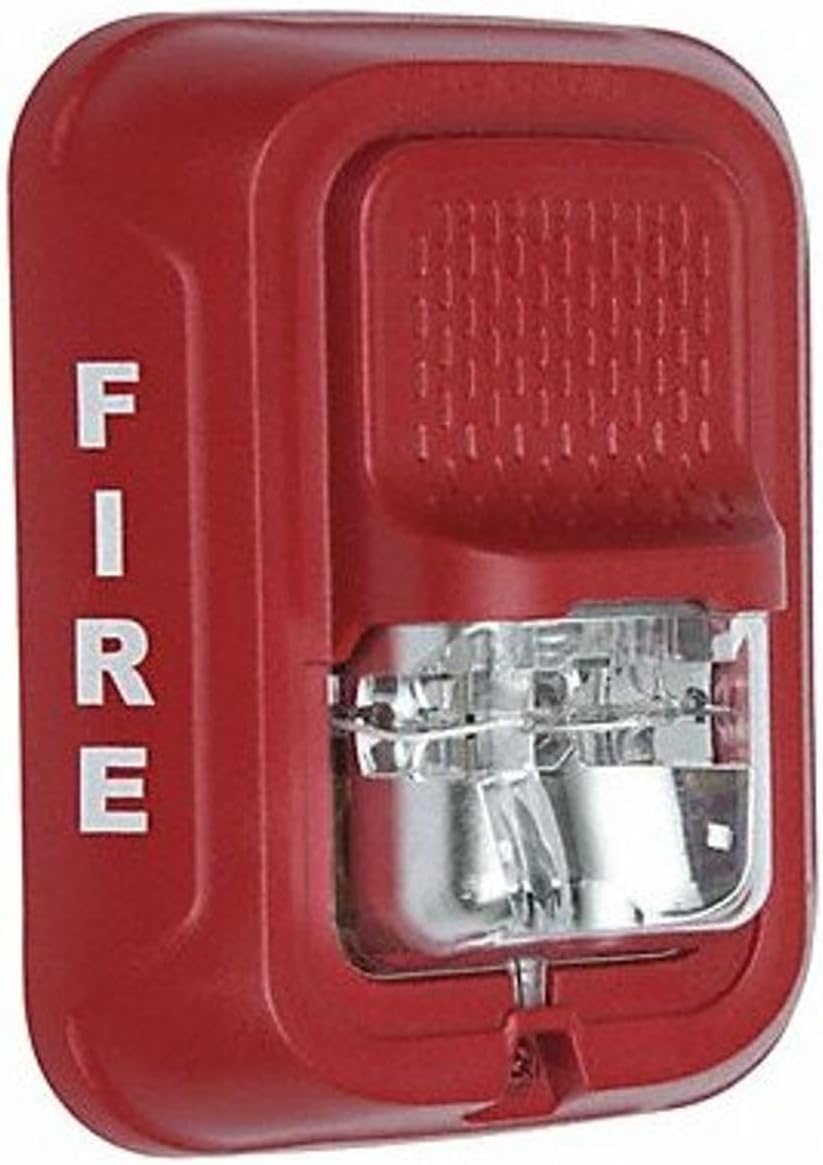
The System Sensor SRL Red Fire Strobe is a focused visual-notification product with a 4.0 rating. It is not presented as a standalone electrical monitor or flame detector; instead, it belongs in the notification layer of a fire-alarm system. Its defining attribute is the red strobe, which offers a clear visual signal when the connected system activates. That can be particularly useful in noisy environments, sleeping areas, or locations where an audible-only alarm may not immediately be noticed.
We may earn a commission when you buy through this link, at no additional cost to you.
The SRL is best evaluated as a component rather than an all-in-one safety solution. It provides a physical alert for people who are within its line of sight, but the product data does not describe independent sensing, app connectivity, or a self-contained alarm function. Its effectiveness therefore depends on compatibility with the associated control equipment and correct wiring. Buyers with an established System Sensor installation will find the brand alignment useful, while those starting from scratch need a broader system design.
The concise product information limits the depth of the evaluation. It identifies the manufacturer family, red warning role, and a 4.0 customer rating, but it does not list operating voltage, mounting details, sound output, or environmental ratings. Those omissions make verification of full installation requirements especially important. A strobe should not be selected purely on color; the complete system's power, triggering method, placement, and code requirements should be checked first.
This product is most suitable for a technician or homeowner who already knows the target System Sensor configuration and needs a red visual alarm device. It is a less convincing choice for someone looking for electrical-fault monitoring, furnace flame detection, or a DIY flame sensor. In those situations, the purpose-built alternatives in this guide offer more transparent specifications and a more clearly defined role.
A bright red strobe can supplement audible signaling in noisy workspaces, hallways, and sleeping areas. Its practical value depends on correct system activation and unobstructed placement.
The SRL is most appropriate when it matches an existing notification architecture. Buyers should confirm wiring, voltage, and compatibility with the control panel before installation.
We may earn a commission when you buy through this link, at no additional cost to you.
The QWORK Fire Alarm is a wired sound-and-light notification device designed to operate with fire-alarm panels. It carries a 4.2 rating and addresses a practical need: giving occupants both an audible warning and a highly visible flashing indication when the upstream system activates. Its stated 105dB horn output and six bright LEDs make it appropriate for locations where a quiet, visual-only notification might not gain enough attention.
We may earn a commission when you buy through this link, at no additional cost to you.
The unit accepts 9–24V DC power, which is broader than the title's reference to 12- and 24V systems while still making it an appropriate low-voltage wired device. Installation is designed to be straightforward: it is wall-mounted and includes fixing screws and expansion tubes. Its higher output level and LED array are particularly useful in commercial-style equipment rooms, workshops, garages, or other locations where environmental noise could mask a less conspicuous alarm.
The central limitation is that this is a notification appliance, not a detector. It is intended to work with a fire-alarm panel only, and it is not a battery-operated standalone alarm. A complete safety installation still needs compatible initiating devices, control equipment, wiring, and appropriate power. The product information does not claim residential code listing, and buyers with specialized system requirements should verify those details before treating it as a complete safety solution.
The QWORK device is a good choice for expanding a properly designed wired alarm system where both sound and light are needed. It is less appropriate for a household seeking a plug-and-play sensor or for a maker looking for a detection module. The included mounting hardware and clear electrical role make it straightforward to integrate, provided the installer already understands the panel and circuit requirements.
Combining a horn and six flashing LEDs reduces the need for separate audible and visual notification appliances. It can improve awareness in spaces where background noise or distance makes one warning method less effective.
The stated 9–24V DC input provides flexibility for compatible low-voltage fire-alarm panels. System designers should still confirm voltage, polarity, wiring, and activation requirements before installation.
We may earn a commission when you buy through this link, at no additional cost to you.
The System Sensor SWL White Fire Strobe is a wired visual notification device with a 4.2 rating. It is positioned in the security alarms and warnings category, which makes it relevant to properties that use wired notification appliances as part of a broader safety system. Its white light differentiates it from conventional red alarm signaling, and its dedicated strobe format can be useful when a system needs an additional visual indication point.
We may earn a commission when you buy through this link, at no additional cost to you.
The SWL should be evaluated as an accessory to fire-alarm infrastructure rather than a complete warning system on its own. The available information identifies the product as a System Sensor SWL White Fire Strobe Wired and places it within the security alarms and warnings category, but it does not list independent detection, audible output, power requirements, or environmental specifications. As a result, buyers need to consult technical documentation for the system they already own or intend to build.
One advantage is the relative simplicity of a visual-only appliance. When a separate horn or other audible notification device is already installed, a dedicated strobe can extend visibility without duplicating the same sound output. Correct placement is essential because walls, storage, and equipment can obstruct a warning light. The installer must also ensure that the strobe's activation and electrical requirements align with the fire-alarm control equipment.
The SWL is best for a technically informed buyer who values brand consistency and has a compatible wired platform. It is not a suitable substitute for an electrical monitoring sensor, a furnace flame sensor, or a DIY flame-detection module. Its role is highly specific, but within a suitable installation, it can add the visual layer needed to make an emergency notification more noticeable.
A dedicated white strobe can supplement an installed audible alarm without adding another sound source. This makes it useful in panel rooms and common areas where clear visual recognition matters.
Because detailed electrical and activation information is not supplied here, compatibility should be verified from the model documentation. A compatible control panel and correctly designed wiring are essential.
We may earn a commission when you buy through this link, at no additional cost to you.
The DIGITECK Plug&Play Site Alert is a battery-operated, interlinkable fire-alarm device designed for both indoor and outdoor use. Its 3.6 rating is the lowest among the ten products, but its feature set addresses a distinct need: creating visible and audible notification across multiple small sites without relying on a conventional permanent panel installation. Up to 20 units can be linked with two-core cable, making it relevant to workshops, storage areas, construction environments, and temporary sites.
We may earn a commission when you buy through this link, at no additional cost to you.
The enclosure combines an LED strobe with a horn and is described as weatherproof. Its stated audible output is 98dB at one meter, while a built-in low-battery warning helps users notice when the replaceable 9V PP3 battery needs attention. A push on/off rocker switch provides straightforward local control, and the compact ABS housing is designed for convenient placement in areas where a larger alarm would be cumbersome.
The word plug-and-play should not be interpreted as complete independence from setup. Linking multiple units requires the specified two-core cable, and a battery is not included. Users must also follow the manufacturer's instructions for testing and interconnection, particularly if the devices are expected to work as a coordinated site-alert network. The lower rating may reflect buyer experience or installation concerns that are not detailed in the supplied listing, so checking the current product information is prudent.
This alarm is best for temporary, remote, or distributed locations where a battery device and visible siren are more practical than a fully wired panel. It is not an electrical-fault monitor, smoke detector, or furnace component, and it should be viewed as an alerting device that may need compatible initiating equipment. For a standalone site warning arrangement, its combination of weather resistance, battery operation, and interlinking is the defining advantage.
The ability to link as many as 20 units with two-core cable supports broader site coverage. Each location can provide both a horn and strobe while remaining part of a coordinated warning arrangement.
Battery operation simplifies placement where wiring is inconvenient, while the built-in low-battery warning supports routine maintenance. The replacement 9V battery must be supplied separately.
We may earn a commission when you buy through this link, at no additional cost to you.
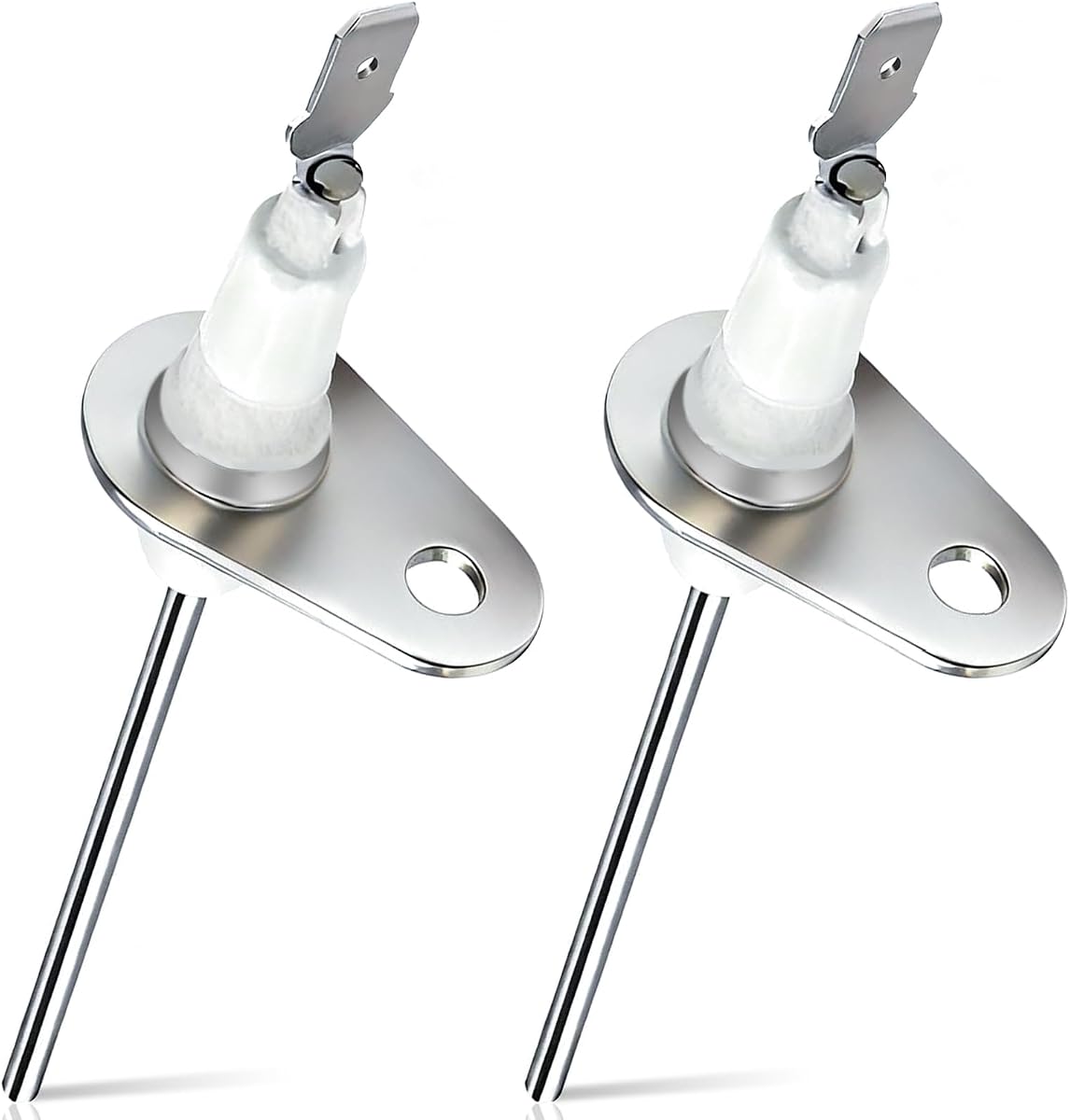
This two-pack furnace flame sensor is a broad compatibility replacement for 0130F00010, B1172606, B11726-06, P1257001F, 20488501, and several other listed part numbers. It is compatible with well-known York, Amana, and Goodman systems, as well as numerous named model numbers. Its 4.5 rating and specific emphasis on fast ignition, high-temperature resistance, and stable performance make it a practical choice for resolving common gas-furnace flame-detection problems.
We may earn a commission when you buy through this link, at no additional cost to you.
The safety function is tied directly to how a gas furnace responds when a flame is detected or fails to be detected. According to the product information, the upgraded design can automatically shut off the gas valve when flame is absent, helping resolve repeated shutdowns or immediate flameout after ignition. That protective behavior is more relevant than simply whether the burner starts, because a flame sensor that cannot reliably confirm combustion can create a hazardous operating condition.
This sensor is not a general-purpose electrical fire-prevention device. It is designed to fit specific gas furnaces and requires safe access to the appliance. The listing explicitly advises disconnecting power and wearing gloves before installation, and a homeowner should also follow the furnace manufacturer's service instructions. Compatibility should be confirmed using the equipment model and existing part number before ordering, because a visually similar sensor may not have the correct dimensions, electrical behavior, or mounting arrangement.
The two-pack is useful for replacing one failed unit while keeping a matching spare, or for servicing two compatible furnaces. It is a strong option for a technician or a confident DIY homeowner who can safely identify the correct replacement part. It is a poor choice for apartments without a gas furnace, for electric heating systems, or for anyone who needs whole-home voltage monitoring or audible fire-alarm notification.
The sensor supports the furnace control board's ability to confirm that a burner is actually lit. When flame cannot be detected, the stated shutoff behavior helps prevent continued gas flow into an unsafe condition.
The long list of supported replacement numbers and furnace models gives buyers several ways to identify a match. Confirming both the appliance model and original part number is still the safest approach.
We may earn a commission when you buy through this link, at no additional cost to you.
The BlueStars 0130F00010 Flame Sensor five-pack combines broad furnace compatibility with a strong 4.6 rating. It is designed for Kenmore, Amana, and Goodman furnaces and replaces an extensive list of part numbers, including B1172606, B11726-06, 20488501, ACS90453BXA, and several P1257 series components. The supplied information also provides a lengthy furnace-model list, which helps owners identify a likely match before beginning a repair.
We may earn a commission when you buy through this link, at no additional cost to you.
Its practical value extends beyond the number of included sensors. The product data describes a stainless-steel sensing rod, a high-temperature porcelain ceramic insulator, and a metal-reinforced mounting bracket. It also emphasizes corrosion resistance and reduced carbon buildup, all relevant properties in the demanding environment around a gas burner. The stated application includes fixing furnaces that shut off immediately after ignition, will not remain lit, cycle repeatedly, enter lockout after repeated attempts, or run the blower without producing heat.
A five-pack is ideal for a technician maintaining several compatible furnaces or a homeowner who wants matching replacements available. It may be more than one household needs, but the extra units also allow replacement of a second matching sensor if the system uses more than one or provide a useful maintenance stock. Correct part matching remains critical because the list of similar part numbers does not guarantee suitability for every furnace revision.
The product description advises checking the model number carefully, using work gloves and safety glasses, disconnecting the furnace wiring, removing the access panel, and securing the new sensor for proper grounding. Those steps make it more appropriate for a hands-on owner or professional technician than for someone seeking a simple consumer device. Its 4.6 rating makes it one of the stronger performing options among the furnace-specific sensors in this guide.
A stainless-steel sensing rod and porcelain ceramic insulator are suited to the elevated temperatures and demanding conditions around a gas burner. The reinforced bracket also supports stable grounding during installation.
Five matching sensors give technicians or multi-appliance households an efficient supply. The pack can support immediate replacement while reducing the need to source a separate matching component later.
We may earn a commission when you buy through this link, at no additional cost to you.
The four-pack 0130F00010 furnace flame sensor earns the highest customer rating in this guide at 4.9. It is a replacement component for compatible gas furnaces, including Goodman units and the listed Kenmore and Amana models, and it replaces common part numbers such as B11726-06, B1172606, 20488501, ACS90453BXA, P1257001F, and AP4513976. For a buyer seeking a highly rated flame-detection replacement, it combines strong feedback with a useful quantity of matching sensors.
We may earn a commission when you buy through this link, at no additional cost to you.
The product is engineered around the role of confirming burner flame during furnace operation. Its stated construction uses wear-resistant metals and ceramics, intended to provide stability and long-lasting performance in a high-temperature environment. The listing also says it can help resolve furnaces that shut off, remain running continuously, or experience ignition-related cycling. As with every furnace flame sensor, the value comes from restoring the appliance's ability to establish a reliable safety signal rather than from adding unrelated household monitoring.
Four sensors make the pack practical for technicians, landlords, property managers, or households with more than one compatible furnace. It can also be used to replace a matching sensor and keep a small stock of identical parts. Buyers should still verify the furnace model and existing component because a long compatibility list cannot substitute for exact part matching. Installation requires disconnecting power, turning off the air supply, and working inside the furnace, so the listed procedure should be combined with the appliance manufacturer's safety guidance.
This is the top furnace-specific recommendation because of its 4.9 rating, clear flame-detection function, durable material specification, and four-unit supply. It is not the right choice for whole-home electrical monitoring, smoke detection, or an independent audible fire alarm. For those needs, the Briidea WiFi sensor or an integrated fire-alarm notification device provides a more relevant form of protection.
A 4.9 rating gives this furnace sensor the strongest customer-feedback result among the products compared. That makes it a compelling starting point for owners searching for a well-reviewed replacement component.
The four-pack supports multiple compatible appliances or provides a matching maintenance reserve. Exact model verification remains the critical step before installation.
We may earn a commission when you buy through this link, at no additional cost to you.
The PFS401 Universal Furnace Electrode Flame Sensor is a compact replacement for White Rodgers 760-401 HVAC systems. It has a 4.6 rating and offers a notably focused compatibility proposition: instead of claiming support for a long collection of gas-furnace brands, it directly targets the specified White Rodgers part. The analog output provides a flame-sensing signal for the heating equipment, while a surface-mount design supports quick setup.
We may earn a commission when you buy through this link, at no additional cost to you.
Its stated weight of 0.023 kilograms makes the component relatively easy to position during service, and the surface-mount format is a practical benefit when replacing a compatible electrode. The product is designed to monitor and control furnace flames, providing the equipment with the signal needed to determine whether combustion is occurring. That makes it more than a generic fire sensor: its purpose is tightly connected to the safe operation of compatible heating systems.
The narrower compatibility statement is the main factor to consider. A buyer with another furnace brand or part number may need one of the broader 0130F00010 or B11726-06 replacements in this guide. Even when the existing component appears similar, buyers should confirm the model number and manufacturer documentation. Because the sensor interacts with gas-fired equipment, installation should be approached carefully and the appliance's power and gas controls placed in a safe state.
The PFS401 is a good choice for a technician or homeowner who has confirmed that the equipment uses White Rodgers 760-401. Its direct fit, lightweight body, analog output, and strong rating make it a focused service part. It is not appropriate for general electrical monitoring, home-wide fire alerts, or furnaces requiring a different flame-sensor format.
Direct compatibility with White Rodgers 760-401 systems simplifies part identification. The product is best selected by matching the existing component and equipment documentation rather than by appearance alone.
The lightweight surface-mount construction can make installation and servicing more straightforward. A secure connection and correct equipment pairing are necessary for reliable flame sensing.
We may earn a commission when you buy through this link, at no additional cost to you.
The most important first step is to identify the layer of protection you need: electrical monitoring, flame detection, or emergency notification. A complete home safety plan may require more than one device, and no single product in this guide performs every fire-prevention function.
Electrical-fault prevention, open-flame detection, furnace flame confirmation, and alarm notification are different jobs. A plug-in WiFi monitor tracks voltage changes across a home, while an infrared module reacts to flame in a custom circuit. Furnace sensors confirm burner flame within a heating appliance, and strobes or horns provide warnings after a compatible system has been activated. Choose based on the hazard and environment you actually want to monitor rather than assuming every device is a complete fire alarm.
Installation complexity ranges from plugging a monitor into an outlet to wiring a notification appliance or accessing a furnace. The WiFi product requires no professional skills according to its description, while the QWORK unit needs a compatible low-voltage panel and wiring. Furnace sensors require safe access to the appliance, and the infrared module depends on correct wiring to a microcontroller. Check whether you can complete the installation safely, or whether professional service is needed.
Power configuration affects reliability and placement. The Briidea monitor operates through a plug-in connection and depends on WiFi for remote alerts. The DIGITECK alarm uses a replaceable 9V battery, while the QWORK strobe horn uses 9–24V DC wired power. Furnace sensors connect within the heating system rather than to a household outlet. Confirm the available power source and what happens during an outage, because a notification method cannot help if its connection is interrupted.
Useful protection depends on receiving a timely warning. App notifications support remote awareness, LEDs offer local visual indication, and horns provide audible alerts. Some devices combine these methods, while the System Sensor strobes are primarily visual components. Consider who needs to know about an event, whether they may be asleep or away from a phone, and whether the installation is in a noisy, remote, or weather-exposed location.
Compatibility is especially important for replacement sensors and system components. Furnace sensors are tied to specific part numbers, board behavior, dimensions, and models. System Sensor units must match the intended alarm architecture, and the QWORK device is designed for compatible fire-alarm panels. The infrared module supports several microcontroller platforms, but its output still needs a suitable circuit. Never rely only on a general brand name or a visually similar component when safety and operation are involved.
Detection performance depends on where the sensor is placed and how it is adjusted. The five-in-one infrared module includes a potentiometer for threshold adjustment, which can be valuable in a custom project but also requires testing. Flame sensors need proper positioning inside the furnace, while visual notification units need unobstructed sightlines. An electrical monitor can cover a home through one outlet, yet its usefulness still depends on the stability of the monitored supply and the quality of the alerts.
A useful monitoring product is not automatically a certified life-safety alarm. The WiFi monitor flags electrical abnormalities and outages rather than smoke or flame. DIY infrared modules can inspire prototypes but need a complete system around them. Notification appliances depend on compatible initiating and control equipment. For occupied homes, confirm whether a listed smoke, heat, or fire-alarm system is required and keep the selected product in its intended role.
The number of units in a multipack and the sophistication of an app should be matched to your actual needs. Four or five furnace sensors make sense for a technician or multiple appliances, while a household with one furnace may need only one. Remote monitoring is useful only if notifications are configured and reviewed. Battery-powered units require routine battery checks, and every detection or notification device should be tested according to its instructions and included in a broader home safety plan.
Begin by reading the product instructions and identifying the role your device will play in the safety system. For the WiFi monitor, connect it to a suitable outlet and complete the GeniLife app setup, then review notification permissions, family-user access, alert thresholds, and chart interpretation. For an infrared module, connect the output to the intended microcontroller, adjust the potentiometer under controlled conditions, and test the response before relying on the circuit. For furnace sensors or alarm notification units, follow the equipment manufacturer's service and wiring instructions.
Test the device according to its intended use. Confirm that the electrical monitor sends expected notifications and records voltage trends, verify that visible and audible alarm components activate through their compatible system, and check that a furnace's flame-detection behavior is restored after a replacement. Never create a dangerous flame for testing an infrared module. Use a controlled, manufacturer-approved method and maintain a safe distance. The DIGITECK unit's low-battery feature should also be checked so that a weak battery does not compromise warning performance.
Ongoing care is mostly about consistency and verification. Check battery-operated devices on a regular schedule, clean notification housings without blocking lights or horns, and make sure alarm devices remain visible and unobstructed. For a furnace sensor, follow the appliance maintenance schedule and watch for renewed symptoms such as shutdown immediately after ignition or repeated cycling. For the WiFi monitor, periodically review recent voltage trends and ensure the connected network and family notifications continue working as intended.
No. An electrical monitor can identify voltage abnormalities, faults, and outages, but it does not perform the smoke or heat detection functions required of residential alarms. It should complement a properly installed and maintained life-safety system rather than replace one. Notification appliances and DIY flame modules also require suitable initiating and control equipment to provide complete coverage.
The Briidea WiFi Electrical Fire Prevention Sensor is the most straightforward option in the guide because it uses a plug-in installation and connects through an app. The DIY infrared module is also simple electrically, but it requires microcontroller integration, programming, and testing. Products such as the QWORK alarm, System Sensor strobes, and DIGITECK system are intended for a planned site-alert or panel-based installation.
A flame sensor detects flame or confirms combustion at a specific appliance or prototype. A fire-alarm notification device produces a warning after a compatible detection system activates. The furnace sensors in this guide protect heating equipment, while the QWORK, System Sensor, and DIGITECK products are notification components. One detects, and the other tells people that an alarm condition has occurred.
Start with the furnace model number and the part number printed on the existing sensor. Compare both with the replacement list supplied by the manufacturer or seller, and confirm that the dimensions, mounting method, and electrical connection are appropriate. Do not rely on shape or the fact that several part numbers appear similar. When uncertain, contact the furnace manufacturer or a qualified HVAC technician.
Yes, the stated specifications list both platforms among the compatible systems, along with ESP32 and ESP8266. The module supports analog and digital outputs, allowing different levels of interaction with a controller. It is a development component rather than a finished alarm, so wiring, sensitivity adjustment, placement, and an external warning method are all part of building a dependable system.
The QWORK sound-and-light alarm is intended for compatible fire-alarm panels and uses a 9–24V DC input. The System Sensor SRL and SWL are also system products rather than self-contained detectors. The DIGITECK unit offers a more independent battery-powered arrangement, but linking multiple units still requires the specified two-core cable. Each product should be installed according to its instructions and the design of the site.
Look for real-time notifications, a clear warning indicator, accessible historical charts, and support for the people who need to receive alerts. The Briidea sensor includes app notifications, an LED warning, family logins, and seven-day voltage trend history. These features help distinguish a one-time fluctuation from a recurring electrical issue, although the user still needs to investigate the cause and consult a qualified professional when necessary.
Follow the instructions supplied with each product and the maintenance schedule of the connected equipment. Test the WiFi monitor's notifications and history, check battery-powered alarms, and confirm that wired notification devices activate through their system. Furnace flame sensors should be inspected during the appliance's recommended service routine. If a device fails, produces repeated nuisance alerts, or no longer performs as expected, remove it from service until it is checked or replaced.
The Briidea WiFi Electrical Fire Prevention Sensor is the best overall choice for continuous household electrical oversight because it combines whole-home voltage monitoring, real-time app alerts, family access, LED indication, and seven-day trend history. The infrared flame module is the best budget-oriented option for makers who can build around analog and digital outputs, while the four-pack 0130F00010 furnace sensor is the top premium pick for a compatible gas-heating system and carries the strongest customer rating.
Prioritize the type of protection you need before comparing features. Plug-in electrical monitoring, DIY flame detection, furnace flame confirmation, and audible or visual notification are complementary rather than interchangeable. Verify compatibility, confirm power and network requirements, plan correct placement, and understand what the product can and cannot detect. A complete home safety plan may combine electrical monitoring with listed smoke and heat alarms, functioning notification appliances, and routine professional inspections.
Finally, check the current listing, manufacturer documentation, compatibility lists, and included accessories before purchasing. Product details and available configurations can change, and installation requirements may vary by property and equipment. Use the selected sensor as part of a broader safety plan rather than as a substitute for qualified advice, required alarms, or professional electrical and heating service.